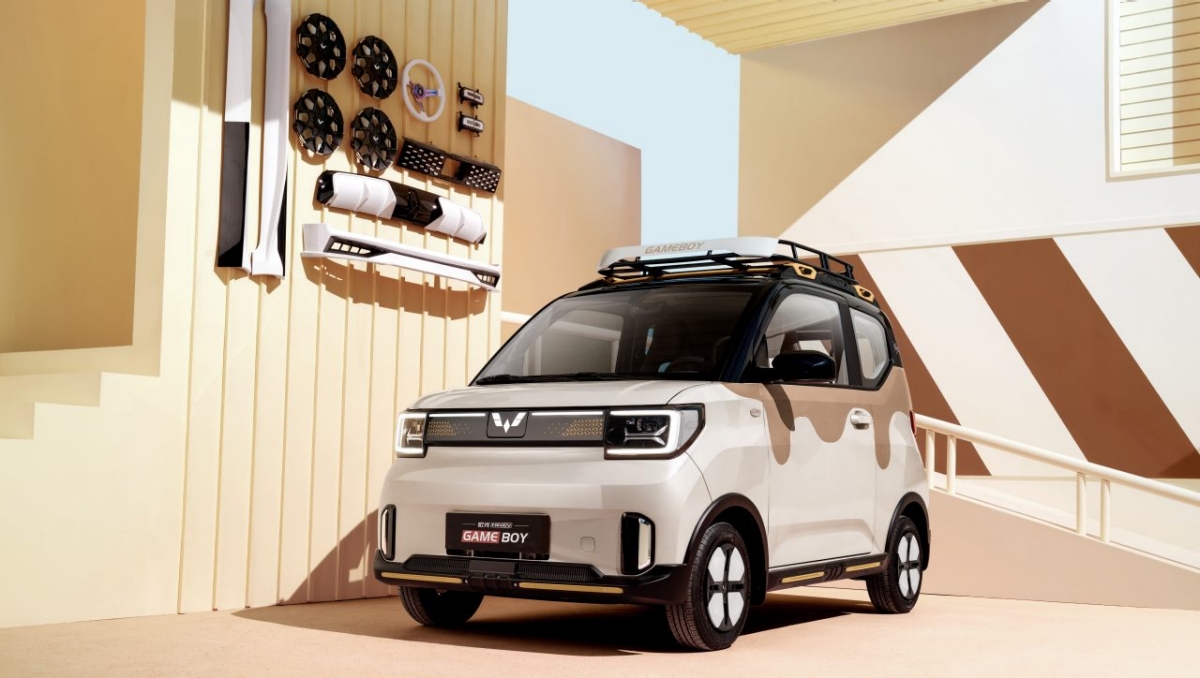
It is easy to talk about the electric transition as if it is driven by giant batteries, giant touchscreens, and giant valuations. The Hongguang Mini EV is a useful corrective. Its success comes from almost the opposite philosophy: keep the car tiny, keep the job definition clear, and keep the price low enough that electrification feels practical instead of aspirational. That is why it continues to matter far beyond its size.
The numbers are brutal in their clarity: 435,599 examples sold, a price band of roughly 4,400 to 5,800 euros, a body length of about three meters, a top speed near 100 km/h and a range figure of around 170 km. On paper, it sounds like compromise in every direction. In practice, that is exactly the point.
Perfect for the job it was designed to do
The Hongguang Mini EV does not try to be a Tesla. It tries to be a bicycle with a roof, seat belts, heating, air conditioning and weather protection. In Chinese cities where millions of users travel 20 to 30 km a day, that is an almost ideal answer to an everyday transportation problem.
Charging from a standard 220V household outlet takes roughly 6 to 9 hours for a full battery. There is no fast charging, no giant touchscreen and no overcomplicated autonomy narrative. What it does offer is four seats, real practicality, low running costs and a use case people immediately understand.
Global impact
The Hongguang Mini EV changed how the global car industry thinks about electrification. It proved that an EV can be a mass-market tool rather than a premium status symbol. That is why BYD, Volkswagen, Citroen and many others began taking the ultra-affordable EV segment much more seriously.
It is a tiny vehicle with outsized influence, and that is exactly why the story matters.