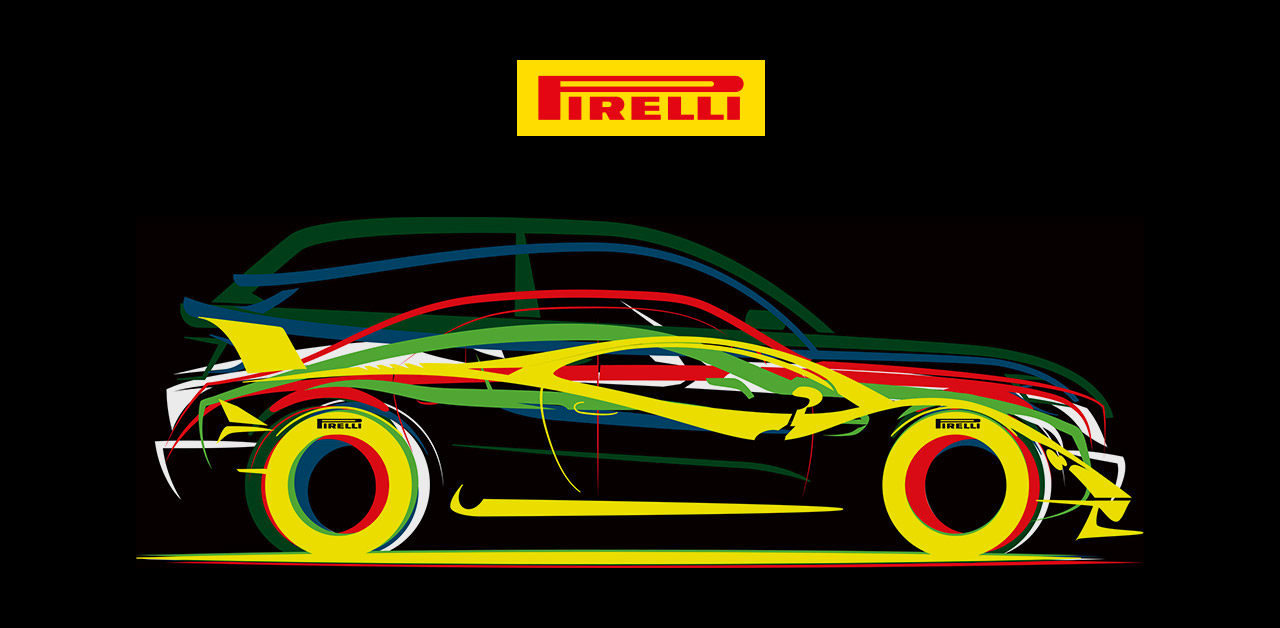
Pirelli still understands something many automotive-adjacent brands often forget: visibility only matters when it feels inseparable from the event itself. Formula 1 does not treat tyres as a background component. It turns them into a visible layer of strategy, performance, and consequence, which means the Pirelli name lives inside the race rather than beside it.
What Changed
That is a powerful place for a sponsor to be. It gives Pirelli a form of exposure that feels earned rather than bought, because the brand appears whenever pace changes, degradation matters, or a race swings on strategy. In commercial terms, that is far more valuable than a logo that simply sits on a wall.
For a magazine audience, the appeal is easy to understand. Pirelli sits at the exact intersection of road relevance and motorsport credibility. The same company that appears in the most technical conversations on a grand prix weekend also wants to be associated with premium road cars, performance identity, and enthusiast taste.
Why It Matters
That is why Pirelli still looks like one of the strongest potential sponsors in the automotive media world. It has the right mix of recognition, relevance, and narrative. More importantly, it already knows how to make performance feel visible.
For World on Wheels, that makes Pirelli less like a speculative advertiser and more like a native fit. The brand already speaks the visual and technical language our audience expects.