Home / Future Launches / Porsche
Future Launches Porsche

Porsche Used Beijing to Show That the Electric Cayenne Family Is Expanding Fast

The Auto China stage was used to underline both product confidence and Porsche’s ongoing sensitivity to the importance of China.

Desk Future Launches
Published April 29, 2026
Read Time 3 Min
Future Launches Porsche China Future Launches Future Car Launches Porsche Cayenne Electric Auto China elena
Porsche Used Beijing to Show That the Electric Cayenne Family Is Expanding Fast
Image credit
Source reference Official manufacturer media image referenced from the source page.

Official OEM visual selected as the lead image for this article.

Why It Matters

Why this story deserves the reader's time.

This matters because future-launch coverage helps readers read the pipeline, not just the press cycle, and shows where the market is about to shift.

Key Takeaways
  • The Auto China stage was used to underline both product confidence and Porsche’s ongoing sensitivity to the importance of China.
  • Porsche is the clearest brand thread running through this story.
  • Follow-up context is strongest around China and Future Launches.
Reading Theme

Porsche’s Beijing message was carefully chosen. Rather than treating the Cayenne Electric as a single dramatic moment, the company presented it as part of an expanding family that can carry more body styles, more emotional appeal, and more market relevance.

What stands out

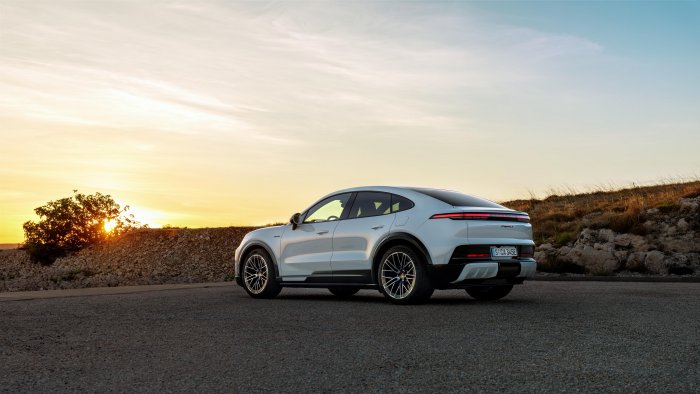
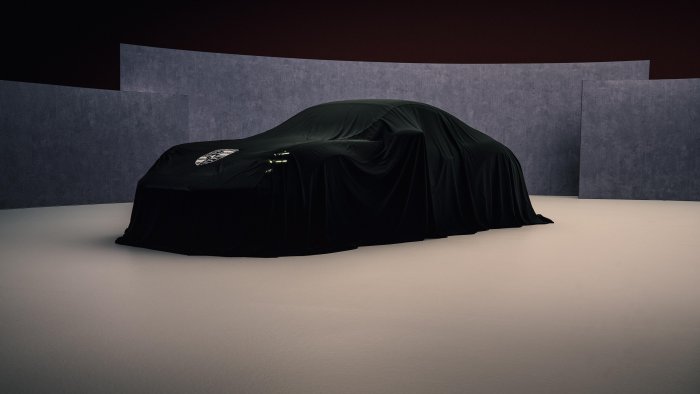
The world premiere of the new Cayenne Turbo Coupe Electric and the China-stage emphasis show that Porsche understands two things clearly: premium SUV customers still want choice, and China remains a critical arena for proving confidence in new electrified luxury products.

Why it matters

That matters because the most successful premium EV programs usually stop feeling experimental quite quickly. They turn into lineups. Porsche appears eager to make that transition visible as early as possible.

Editorial verdict

Beijing was not just a reveal stage; it was a positioning stage. Porsche used it to show that the Cayenne Electric story is already moving from event to ecosystem.
Source: Porsche Newsroom
Next Move

Choose the strongest next move

Good article pages should not be dead ends. Move from this read into the route that best fits what you want next: context, ranking, shortlist, or the weekly digest.

Open Brand Archive

Stay with the same marque across launches, analysis and related stories.

Open Brand Archive

Use Buyer's Guide

Step from story mode into a practical shortlist flow.

Use Buyer's Guide

Open Rankings

Check the ranked angle if you want a faster answer next.

Open Rankings

Get The Weekly Digest

Use the newsletter CTA if you want the sharpest stories without hunting the archive manually.

Get The Weekly Digest
Share This Story

Turn one strong article into the next reader.

Copy the link or pass it into the channels that matter most for automotive media: WhatsApp, X, LinkedIn, and email.

LinkedIn X WhatsApp Email
Story Topics

Follow the strongest threads from this piece.

These tags open the closest topic archive around this article.

Future Launches Porsche China Future Launches Future Car Launches Porsche Cayenne Electric Auto China elena

Related Reading

5 matched stories

Stay inside the same conversation. The first recommendation carries the strongest editorial overlap, while the rest of the stack widens the angle without breaking topic continuity.

Continue Exploring

Best next steps

Move deeper, not wider. These next lanes keep the reader inside the same premium V4 flow, whether the next stop is a category desk, manufacturer view or curated issue shelf.

Next Step

Porsche Coverage

Stay with this marque across launches, strategy, luxury positioning and related stories in the brand archive.

Open Brand Archive
Next Step

New Cars

Step from preview mode into already-arrived launches and current editorial takes.

Open New Cars
Next Step

Inside the Brand

Read the broader marque logic behind the model, the pivot and the product strategy.

Read Brand Context