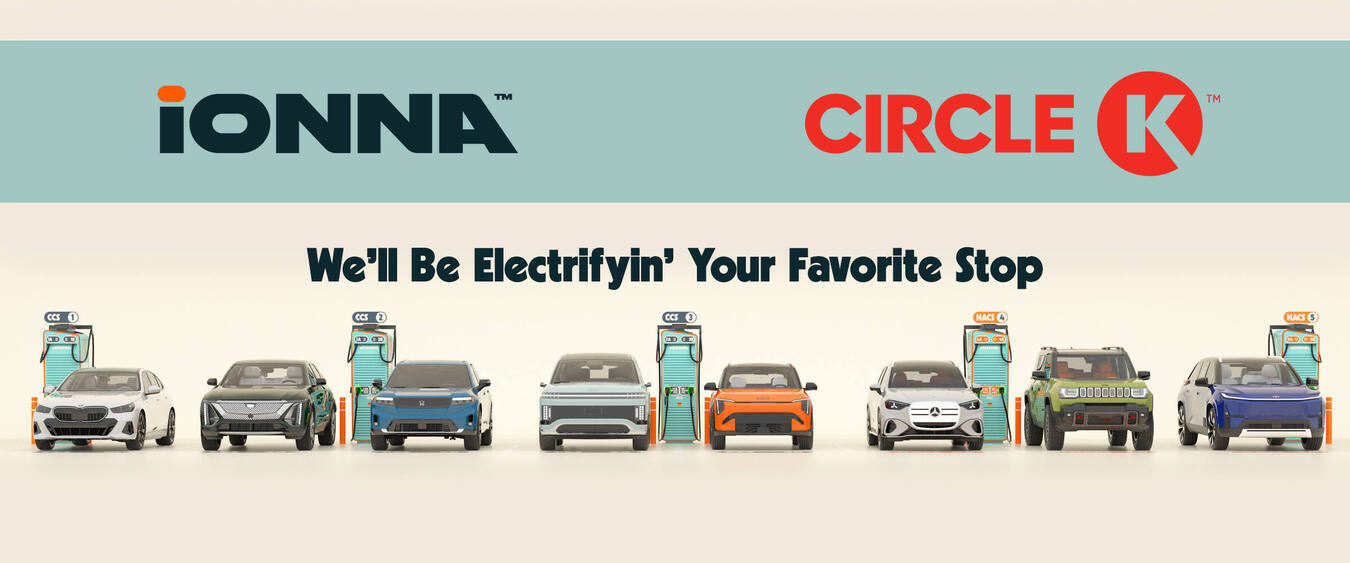
The U.S. charging race is moving into a more practical phase. Partnerships like IONNA and Circle K matter because they bring charging closer to everyday behavior instead of treating it as a standalone infrastructure fantasy.
What stands out
What makes this notable is the combination of scale, location logic, and automaker backing. High-power charging only becomes normal when drivers stop feeling like they are going out of their way to find it, and retail adjacency helps close that gap.
Why it matters
For EV adoption, reliability and convenience often matter as much as charger count. The networks that can place fast charging in familiar, service-rich environments may have a stronger long-term advantage than those that simply chase raw footprint statistics.
Editorial verdict
This is the kind of charging story that feels operational rather than theoretical. That is exactly why it deserves attention: EV infrastructure becomes real when it becomes ordinary.