The EV market has spent most of its public energy talking about what cars do while they are moving. Toyota's vehicle-to-grid work is valuable because it shifts the frame. It asks what electric vehicles can do while they are standing still, connected, and able to participate in the wider logic of energy management.
What Changed
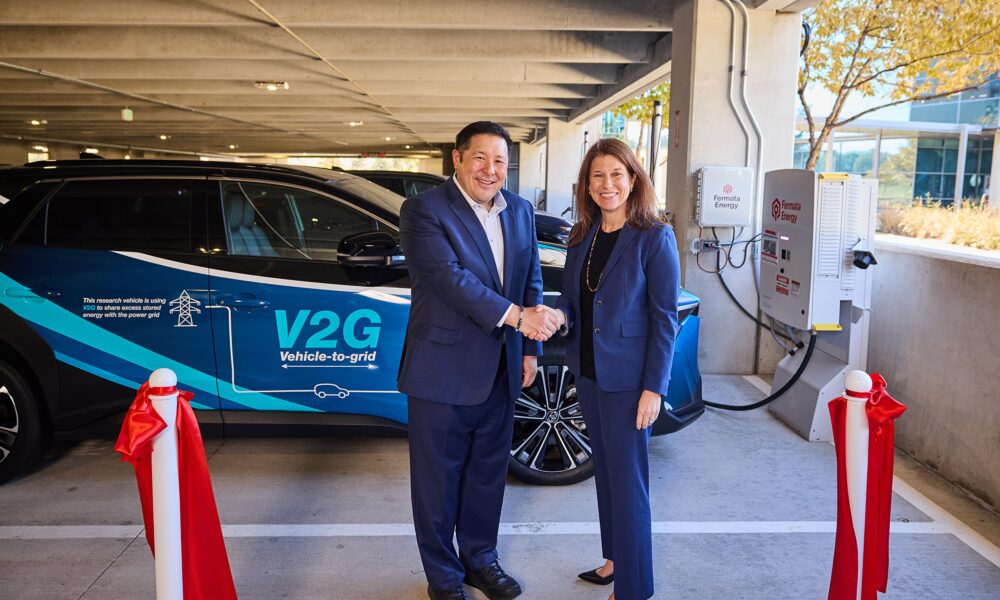
Toyota says its Oncor program is testing the real-world benefits of bidirectional charging, where a battery-electric vehicle can send power back to a home or the wider grid. Technically, that sounds specialized. Strategically, it is one of the more meaningful long-term EV questions in the market.
That matters because the future of electrification will likely depend on systems integration as much as on vehicle sales. The more EVs can help stabilize energy use, improve resilience, and act as mobile storage, the more valuable they become beyond the traditional ownership equation.
Why It Matters
There are obvious hurdles in regulation, hardware cost, and consumer education. But the significance of Toyota doing this work is that it treats the question as a credible engineering and utility problem now, not a distant idea reserved for conference slides.
So this deserves space in Electric Cars & The Future because it expands the meaning of what an EV can be. The future here is not just mobility. It is participation in a much larger electrical ecosystem.