
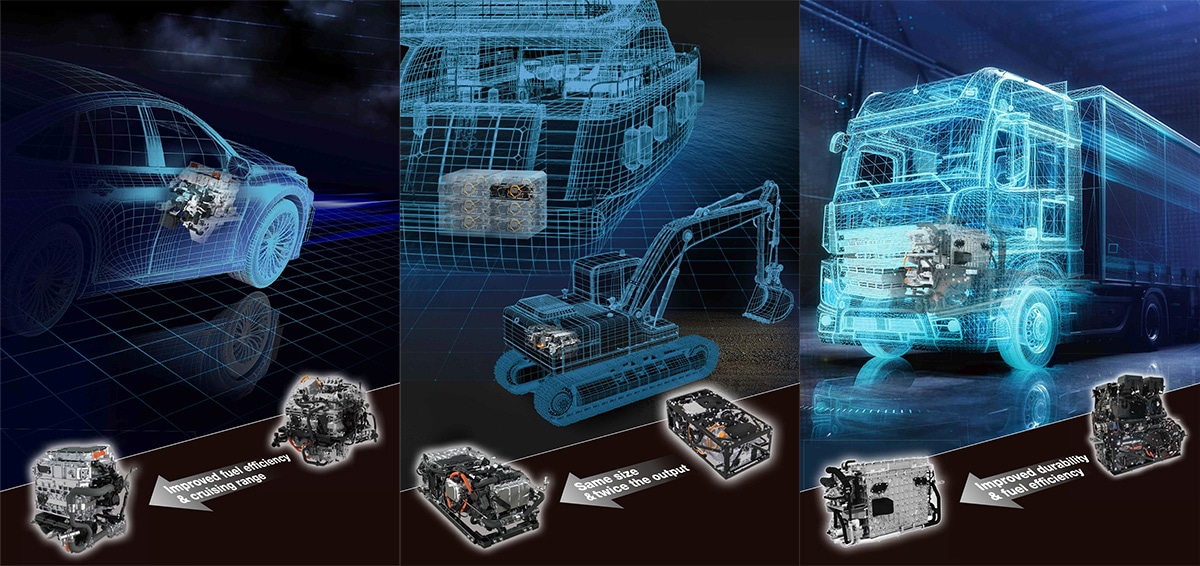
Toyota's third-generation fuel-cell system matters because it changes the tone of the hydrogen conversation. The company is no longer relying on abstract belief alone. It is packaging the technology around durability, efficiency, and cost improvements in ways that speak directly to commercial reality.
What Changed
That shift matters for the industry because zero-emission transport is unlikely to be solved through one propulsion answer in every use case. Toyota is making the case that hydrogen still has a serious role in heavy-duty applications, stationary power, rail, and marine sectors where the energy logic looks very different from private crossovers.
The company's messaging is also more disciplined than before. By talking about doubled durability, roughly 20 percent efficiency gains, and reduced cost, Toyota is finally centering the metrics critics always wanted to hear addressed honestly.
Why It Matters
For the wider industry, this is a reminder that the future may still be more plural than current market narratives often imply. The battery story remains dominant, but not every mobility problem resembles a suburban family vehicle.
So this development deserves attention because it is less a niche tech update and more a statement that the industry's decarbonization map may still contain more than one serious route.