The future of mobility is often discussed as if one propulsion answer will simply replace all others. Toyota has never accepted that framing, and its third-generation fuel-cell system is one of the clearest examples of the company continuing to argue for a broader view of the zero-emission future.
What Changed
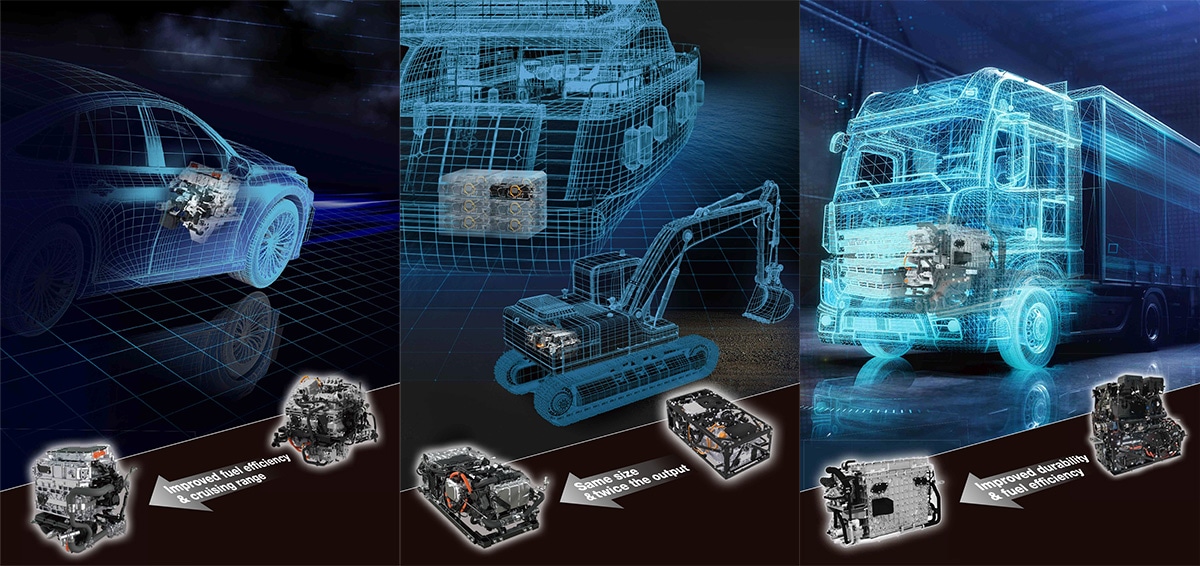
Toyota says the new system is more durable, more efficient, and less expensive than the previous generation, while also being aimed at applications far beyond passenger cars. Heavy-duty transport, stationary power, rail, and marine sectors all appear in the strategy. That is not a niche consumer pitch. It is an industrial one.
That matters because the future will not be determined only by what works for suburban crossovers. Different energy and transport use cases will demand different strengths, and hydrogen still has a plausible story wherever uptime, density, and rapid refueling matter more than domestic charging convenience.
Why It Matters
The company is also making a smarter argument now than it did in earlier years. Rather than presenting fuel cells as a philosophical alternative to batteries, Toyota is presenting them as a specific tool for specific jobs. That is a more credible way to keep hydrogen in the conversation.
So this belongs squarely in Electric Cars & The Future because the future is unlikely to be singular. Toyota's latest fuel-cell work is a reminder that the low-emission transport map may still end up more varied than battery-only narratives suggest.