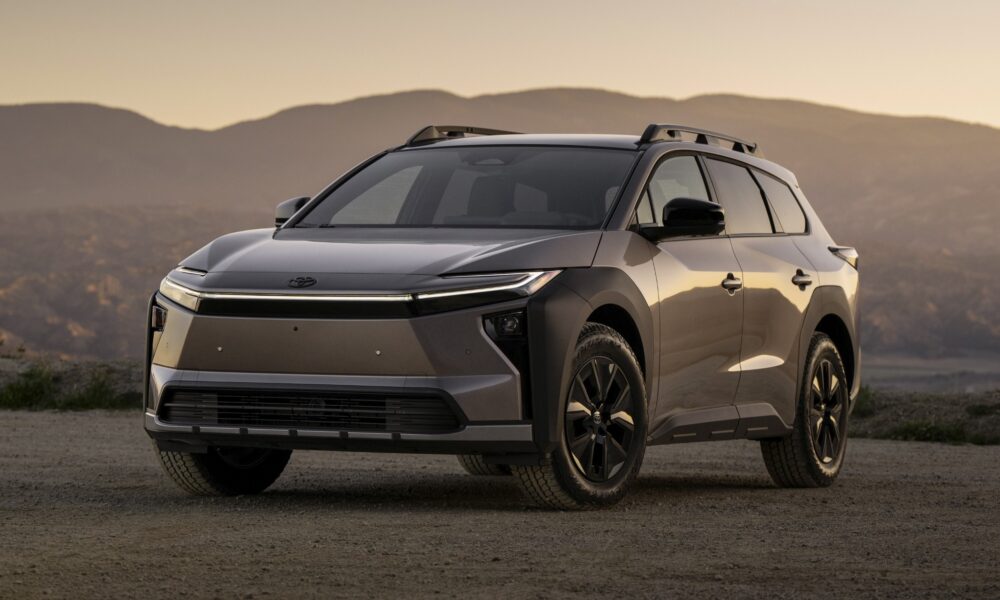
The bZ Woodland is interesting because it tries to answer a harder question than most electric SUVs ask of themselves. It is not merely trying to look adventurous. It is trying to package electric hardware around a wider and more demanding definition of usefulness.
What Changed
Toyota backs that claim with concrete choices: standard all-wheel drive, 375 horsepower, notable cargo room, 8.4 inches of ground clearance, and towing rated at up to 3,500 pounds. It also retains the charging and battery logic that keeps the wider bZ story grounded in everyday use.
That matters because EVs are moving toward a more difficult phase of the market. The first wave rewarded novelty and early adoption. The next wave will reward products that can serve more complicated lives without asking owners to tolerate awkward trade-offs everywhere else.
Why It Matters
The Woodland therefore feels less like a niche trim and more like a strategic experiment. Toyota is probing how far the battery-electric formula can be pushed into broader utility territory while still remaining coherent.
If that effort succeeds, it will matter beyond one badge. It will suggest that future EV growth depends on making electric vehicles feel more versatile, not simply more efficient.