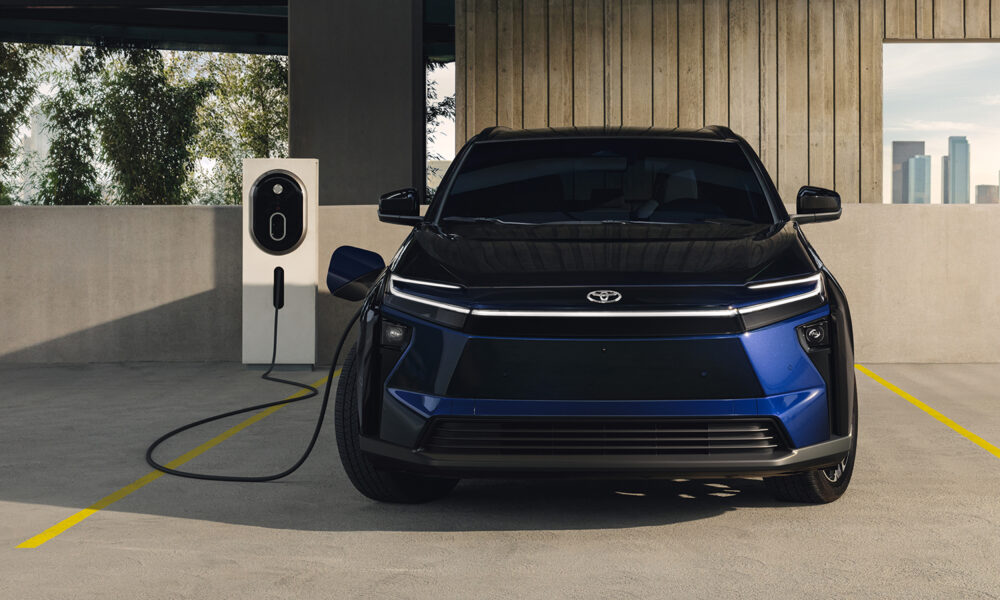
The 2026 Toyota bZ feels more mature because it is less interested in visual reset for its own sake and more interested in ownership quality. That is where the EV market now lives. Buyers do not only want a battery crossover. They want a battery crossover that behaves intelligently around charging, route planning, and everyday reliability.
What Changed
Toyota addresses that directly in the updated car. The official changes include a larger battery on key grades, NACS access, Plug & Charge capability, battery preconditioning, and a revised interface anchored by a 14-inch screen. These are not cosmetic items. They are the building blocks of a cleaner electric experience.
That matters because second-generation EV credibility is increasingly won through details. Peak charging speed alone is not enough if the battery cannot arrive prepared. Range figures alone are not enough if the network story still feels fragmented. Toyota seems to understand that the real engineering battle is now systems-level consistency.
Why It Matters
The updated bZ is therefore valuable as a signal. It suggests Toyota is learning the right lessons from the first phase of its EV rollout and redirecting effort toward the pieces customers actually live with every day.
So this is not merely a model refresh. It is Toyota making a stronger argument that EV ownership quality has become one of the central engineering disciplines of the decade.