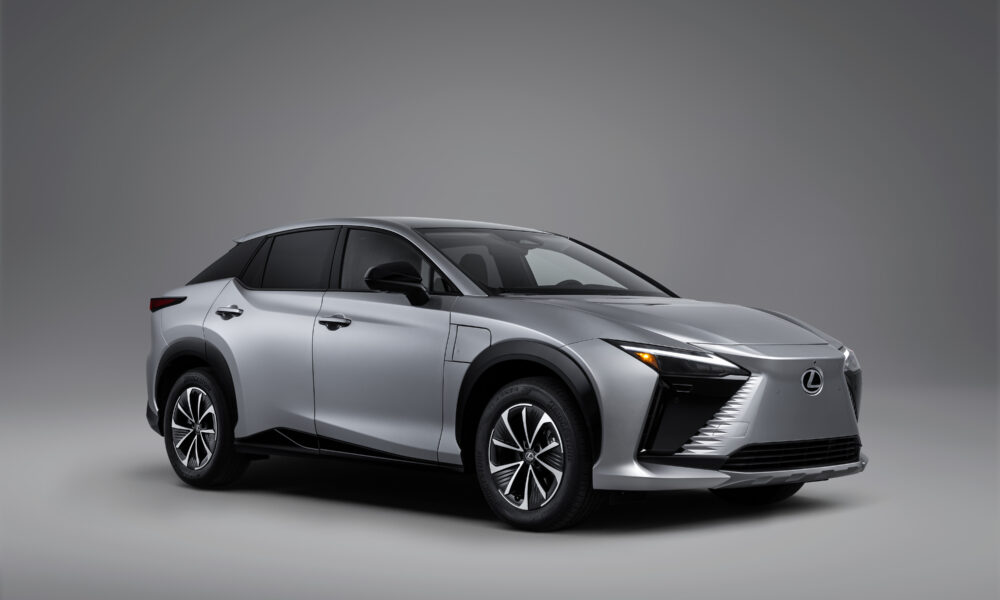
The best way to read the revised Lexus RZ is not as a flashy luxury-EV reboot, but as a refinement exercise in the right places. Lexus is targeting the weak points that still separate a respectable battery SUV from a convincing premium one: charging behavior, network access, power delivery, and interface clarity.
What Changed
The official update underlines that intent. More power, higher efficiency, shorter charging times, wider NACS access through the Tesla Supercharger Network, and Plug & Charge capability are all practical improvements rather than headline stunts. That is exactly the right maturity curve for a second-stage premium EV.
What makes the RZ interesting in a future-facing context is that it signals where luxury EV competition is heading. Not toward ever stranger design experiments, but toward cleaner ownership logic, better network integration, and less friction once the car becomes part of daily life.
Why It Matters
Lexus is especially well placed for that kind of evolution because its brand identity has always centered on refinement more than drama. In the EV era, that can become a real technical advantage if the company keeps tightening the product around calmness and usability.
So the updated RZ is important because it shows luxury EV progress becoming more disciplined. The future here is not louder. It is better resolved.