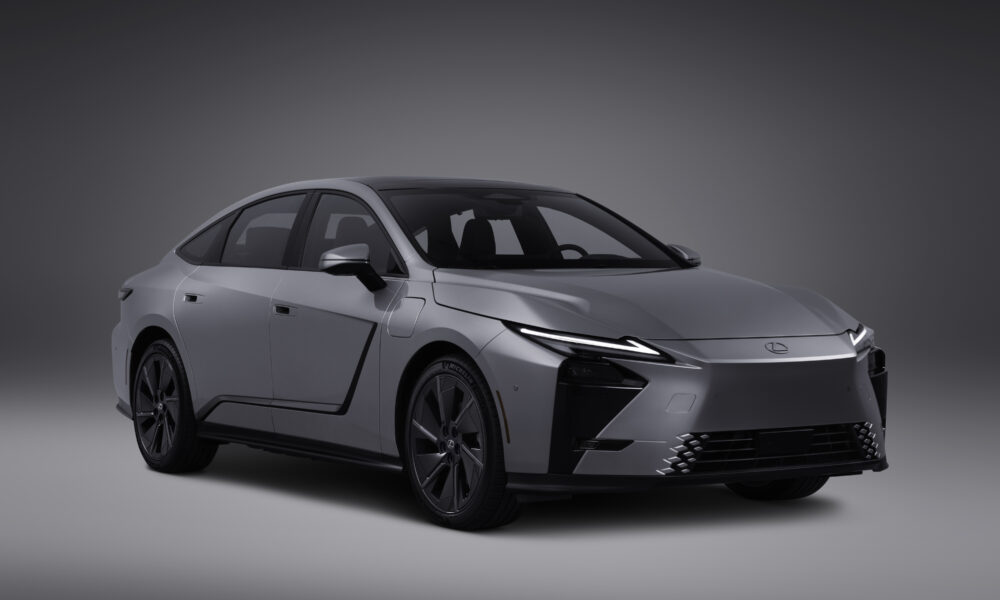
The ES has spent years being underestimated by people who confuse calmness with caution. The new model makes that reading harder to sustain. Lexus is giving the ES a larger role, using it to bridge traditional hybrid luxury and new battery-electric ambition inside one familiar nameplate.
What Changed
That matters because luxury buyers still value continuity when technology is moving fast. By placing electric variants inside a trusted sedan badge, Lexus reduces the sense that premium electrification has to arrive as a strange new language every time.
There is also a stylistic point here. Sedans still carry a different kind of taste than SUVs. They can feel lower, quieter, and more intentional, which makes the ES a useful counterpoint in a premium market that is becoming too dominated by one body style.
Why It Matters
From a business perspective, the car also shows Lexus protecting one of its oldest products by giving it a future-facing job to do. That is smarter than leaving a legacy nameplate to age politely in the background.
So the new ES is meaningful not only because it is updated, but because it suggests a mature brand still knows how to let serenity function as a form of luxury leadership.