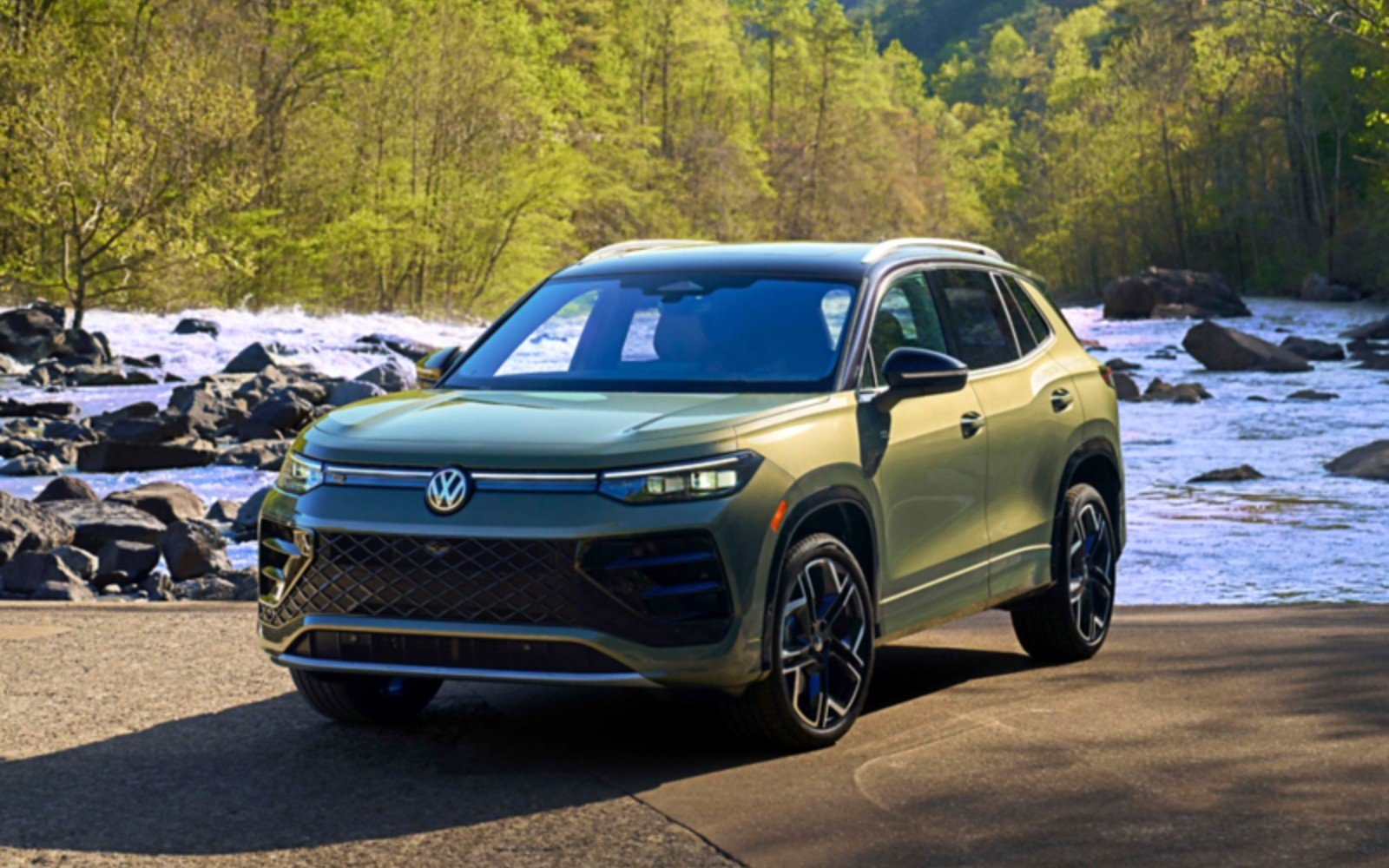
Volkswagen remains large because it still understands the value of a well-pitched middle. The Tiguan is not a sentimental car, and that is exactly why it matters. In 2025 it continued to serve the broadest, most commercially useful part of the market: families who want space, efficiency, technology, and a badge they still recognize as safe territory.
That role sounds ordinary, but ordinary done well is one of the hardest things in this industry.
A crossover built for the center of demand
The Tiguan sits where global demand remains strongest. It is large enough to justify family life, but not so oversized that it becomes wasteful. It carries enough design confidence to avoid anonymity, yet it does not ask buyers to accept unnecessary risk. That balance is why it works.
Volkswagen has plenty of products that matter to its image, but the Tiguan matters to its stability. It absorbs the mainstream volume that brands cannot afford to lose.
Why it carried Volkswagen in 2025
The Tiguan helped Volkswagen defend the practical end of its lineup while the industry kept debating electrification pace, software frustration, and margin pressure. It gave the brand a product that still felt current without asking the customer to become an early adopter.
That is a stronger sales strategy than it gets credit for. A big global brand does not need every buyer to become adventurous. It needs enough buyers to stay convinced.
What the Tiguan says about Volkswagen now
In 2025, the Tiguan represented Volkswagen at its most legible: sensible packaging, broad appeal, and a clean understanding of what a mass-market product has to deliver before it can talk about ambition.
That may not be romantic, but it is one of the clearest reasons Volkswagen stayed near the top of the global market.