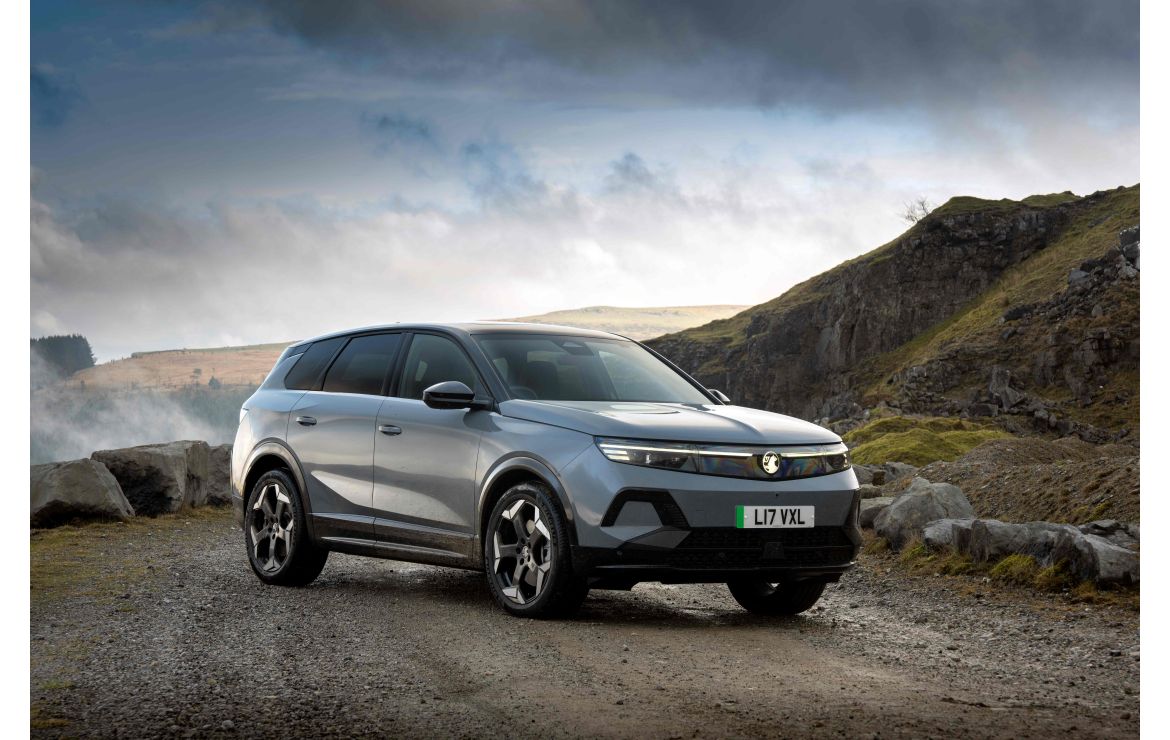
Vauxhall's EV transition strategy matters because Vauxhall is positioning the electric future as something grounded in UK everyday life rather than in aspirational abstraction That is the part of the story that fits the WOWV2 tone best: the official release gives us the hardware, but the more interesting question is what kind of product decision the brand is really making.
What Changed
According to Vauxhall | Stellantis Media, the Grandland and broader electric-lineup messaging focuses on lower entry barriers, Electric All In support and a national charging conversation that includes people without home driveways Those specifics move the article beyond launch theater and give the car or technology a clearer place in the current market conversation.
Within Electric Cars & The Future, the story lands because the future of EVs is as much about the social reality of charging as it is about the cars themselves It is not simply another OEM headline dropped into the feed. It says something about where the brand thinks demand, regulation, and customer taste are moving next.
Why It Matters
That matters for readers because Vauxhall looks useful here because it is trying to solve more than the car; it is trying to solve the adoption environment around it In magazine terms, this is the difference between a car that looks new and one that genuinely changes how we talk about the segment around it.
The result is a stronger editorial angle than the source material alone provides. Vauxhall's EV transition strategy feels relevant not because the manufacturer says it is important, but because the broader category logic now supports the claim.