The EV market has spent years obsessing over how cars consume energy. Toyota's Oncor program is more interesting because it shifts attention toward how vehicles can also return energy. That is where the technology starts to move from personal mobility into infrastructure logic.
What Changed
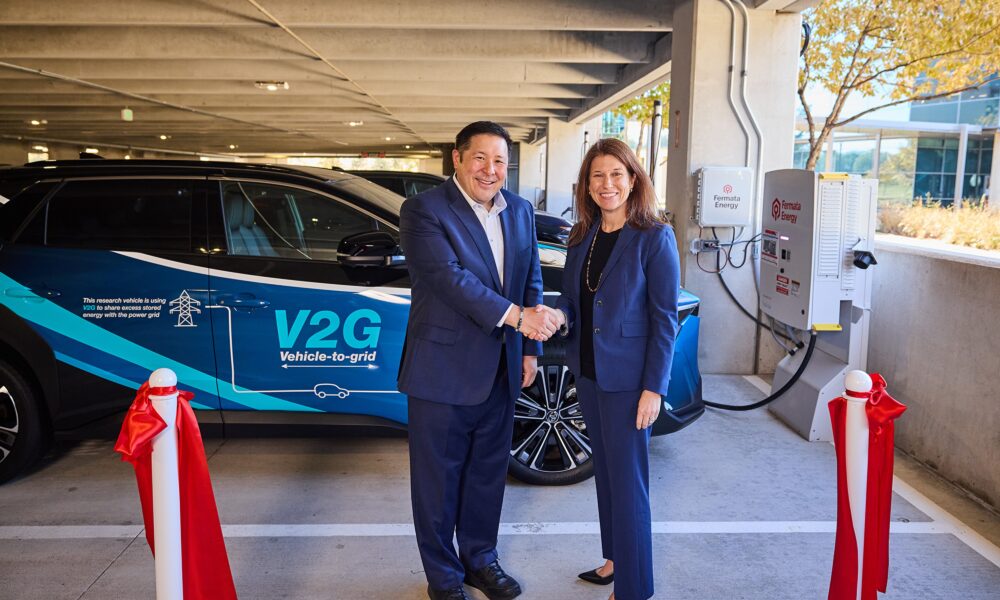
Toyota says the demonstration project is designed to test the benefits of bidirectional charging in real conditions, allowing battery-electric vehicles to send stored electricity back to homes or the grid. Technically, that sounds like a niche pilot. Strategically, it is much larger than that.
Vehicle-to-grid capability matters because it changes how an EV can be valued. A car is no longer just a cost center that charges overnight. In the right environment, it becomes an energy buffer, a resilience tool, and potentially part of the broader balancing logic for utilities dealing with increasingly variable demand and renewable supply.
Why It Matters
There are still obvious barriers. Standards, utility regulation, charging hardware costs, and consumer education all have to mature. But Toyota's involvement is meaningful precisely because the company tends to avoid turning emerging technology into empty theater. It usually waits until there is a plausible systems-level case.
That is why this program deserves serious attention. If bidirectional charging becomes ordinary, the next decade of EV ownership will be judged not only by how cars move, but by how intelligently they participate in the grid around them.