Toyota has never been shy about its hydrogen convictions, but conviction alone is not enough anymore. What matters now is whether the technology can become robust, cheaper, and easier to deploy in the kinds of real-world applications that survive executive presentations. That is why the company's third-generation fuel-cell system deserves a closer look.
What Changed
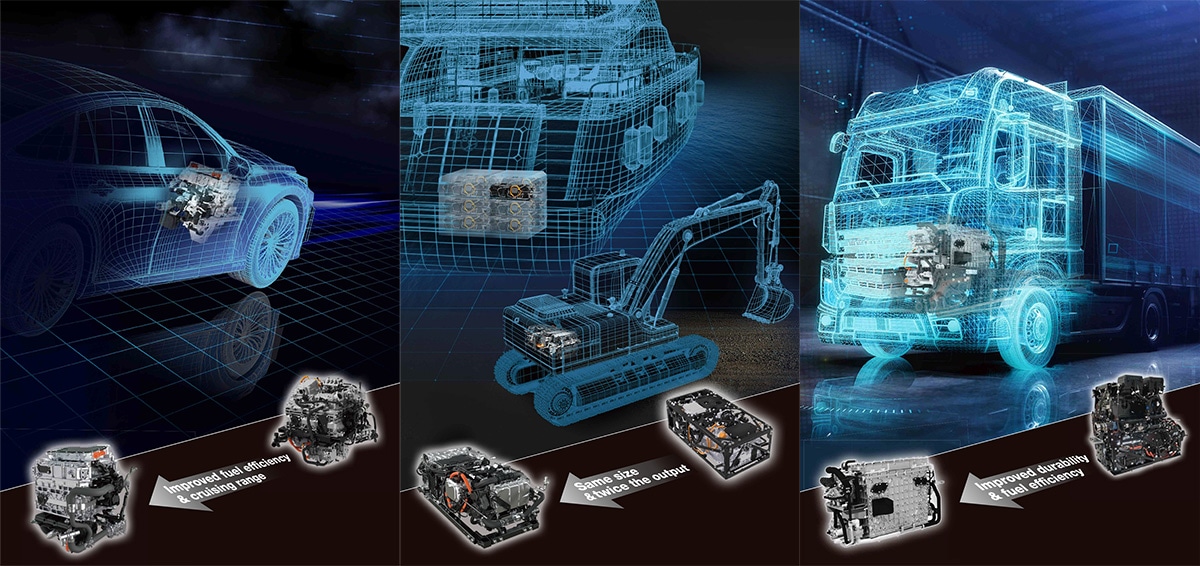
Toyota says the new system is designed around three concrete gains: durability roughly twice that of the prior generation, fuel efficiency improvements of about 20 percent, and meaningful cost reductions through cell design and manufacturing changes. That combination matters because hydrogen's commercial case has always been weakest when cost and longevity are discussed honestly.
The company is also aiming the hardware far beyond passenger cars. Heavy-duty trucking, stationary power, rail, and marine use all appear in the official strategy. That wider application range is strategically smart because hydrogen makes a stronger case where uptime, refueling speed, and energy density matter more than simple consumer convenience.
Why It Matters
What changes the tone here is that Toyota is no longer talking about fuel cells as a distant counter-narrative to battery EVs. It is presenting them as an industrial technology with specific roles to play, especially in commercial and high-utilization settings where batteries are not always the cleanest answer.
That does not mean hydrogen has suddenly won the future. It means Toyota has made the argument more disciplined. The third-generation system feels important because it is trying to solve the technology's old weaknesses instead of merely restating its ideals.