
The all-new 2026 RAV4 is easy to read as a major product launch, but the more interesting story sits beneath the sheetmetal. Toyota is using its biggest mainstream crossover to introduce the Arene software development platform and a new generation of Toyota Safety Sense, which tells us a great deal about where the company thinks modern engineering value will be created.
What Changed
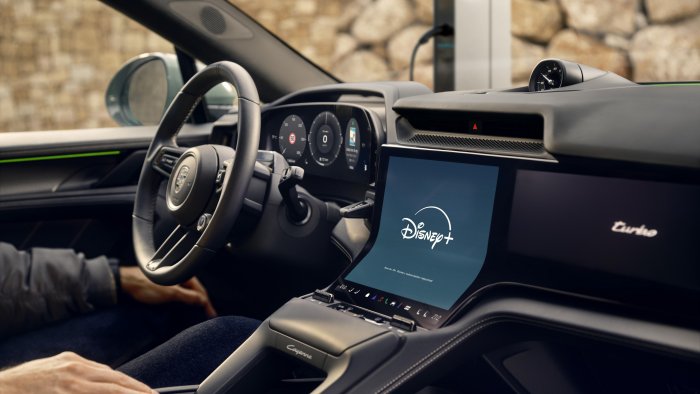
That matters because software platforms only become strategically real when they appear in high-volume vehicles rather than halo concepts. Toyota says the new RAV4 launches with Arene, an updated Toyota Audio Multimedia system, and Toyota Safety Sense 4.0. In plain terms, this is the moment software architecture starts moving from corporate promise into everyday product reality for the brand.
The engineering implication is broader than infotainment. Arene is meant to support how safety systems, user interfaces, updates, and future feature logic are developed across the vehicle. Once that kind of stack lands in something as central as the RAV4, it stops being a speculative technology story and becomes part of the ownership proposition.
Why It Matters
Toyota has also been smart about where it introduces this change. The RAV4 is not a marginal experiment. It is a vehicle customers buy because they expect practicality, reliability, and ease. If Toyota can make a more software-defined product still feel straightforward and trustworthy here, it will have made its strongest argument yet that digital complexity does not have to feel like digital burden.
So the new RAV4 is not just another high-volume crossover refresh. It is Toyota using one of its most important products to prove that software, safety, and mainstream usability can now be engineered as one coherent system.