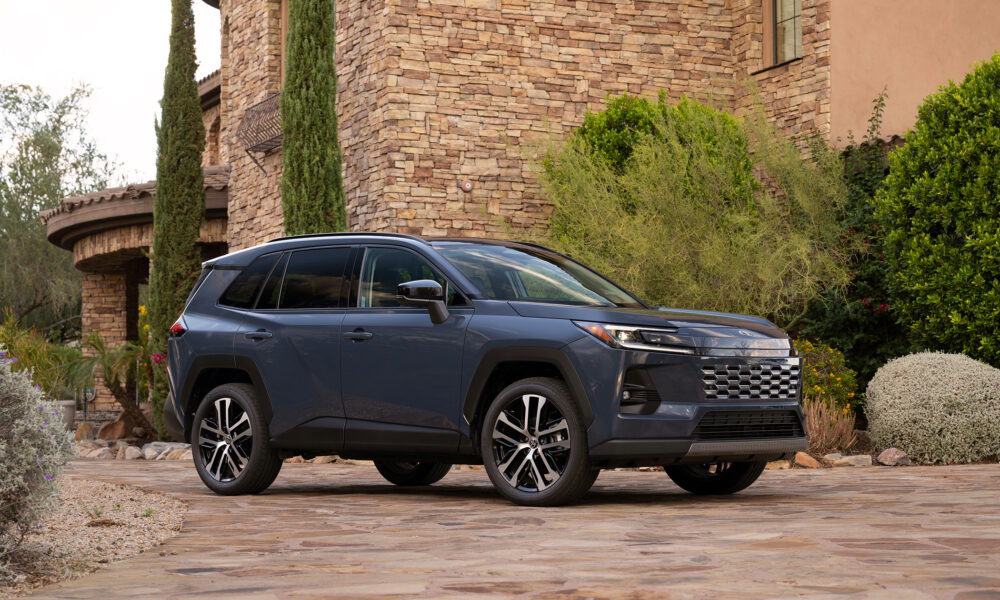
Redesigning the RAV4 is one of the auto industry's least forgiving jobs. The vehicle is too important to misjudge and too familiar to impress through novelty alone. Toyota's 2026 approach reflects that pressure. It is a full new generation, but it is not pretending the product needs to become something else.
What Changed
The official launch frames the sixth-generation RAV4 around clearer product separation. Toyota now splits the range into Core, Rugged, and Sport design families, while keeping electrification central with hybrid and plug-in hybrid powertrains. The result is a vehicle that feels more deliberately segmented without becoming confusing.
That matters because compact SUVs have become the market's hardest battleground. Toyota is responding with better packaging discipline rather than excess. The refreshed multimedia system, updated safety suite, and stronger electrified positioning tell buyers that the RAV4 has moved forward where daily ownership is actually felt.
Why It Matters
The clever part is that Toyota has not lost the vehicle's everyday readability. The RAV4 still looks like something a household can understand instantly, and that remains one of its biggest advantages. Buyers do not need to decode the car before they can justify it.
That is why the 2026 RAV4 still feels so formidable. Toyota has taken one of the category's safest choices and made it look better organized, more technical, and more self-assured. In this segment, that is enough to matter a great deal.