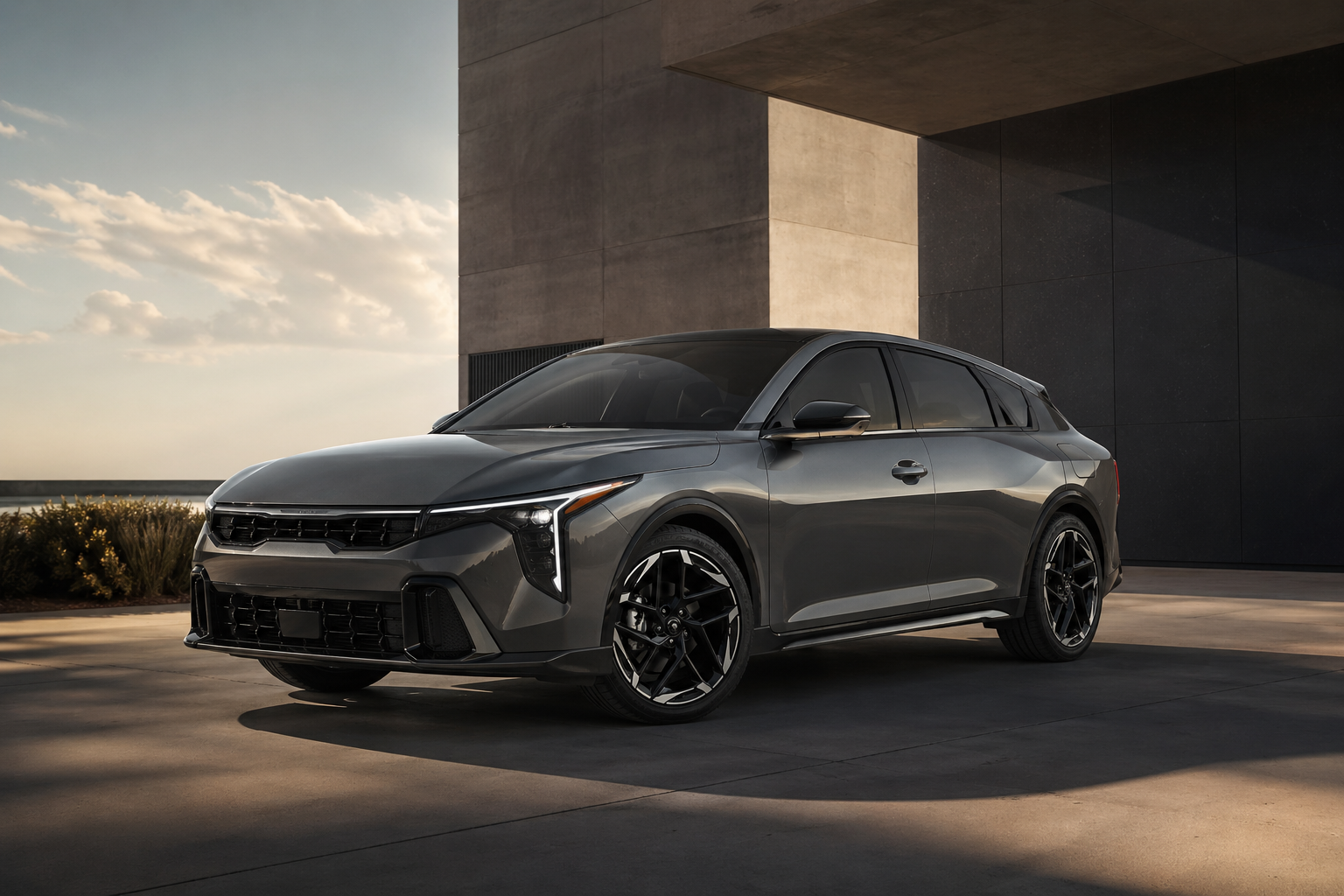
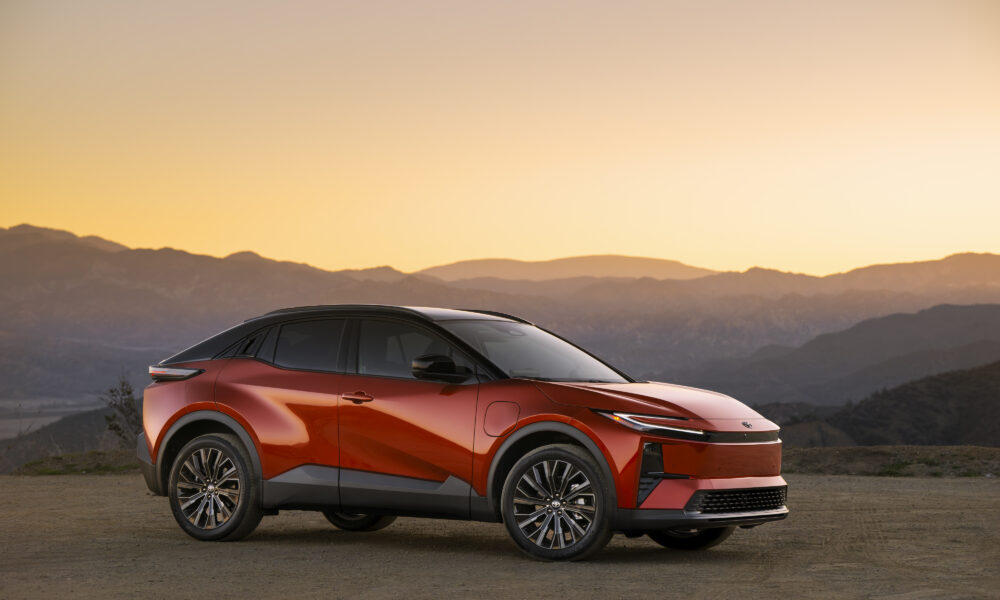
Toyota is treating the C-HR name like a second chance, and that makes the 2026 car more interesting than a routine EV launch. The original C-HR always had attitude, but it never quite found the mechanical setup to match the shape. This time, Toyota has decided the styling should be backed by real pace and real intent.
What Changed
The official U.S. launch story gives the car the kind of numbers that immediately change the conversation. The all-electric C-HR arrives with standard dual-motor all-wheel drive, 338 net combined horsepower, a claimed 0-60 mph time of 4.9 seconds, and up to 287 miles of EPA-estimated range on the SE grade. That is not timid positioning. It suggests Toyota understands that compact EV buyers are no longer impressed by the idea of electric propulsion alone.
What makes the C-HR more persuasive is that the rest of the package has been thought through as a real everyday product. Toyota says the new model gets a North American Charging Standard port, DC fast charging from 10 to 80 percent in about 30 minutes, a 14-inch touchscreen, and a practical cargo area behind the rear seats. In other words, the company is not selling the car as a design object first and hoping the ownership case catches up later.
Why It Matters
That matters because Toyota has often looked strategically cautious in the EV space. The 2026 C-HR feels less defensive. It is still recognizably Toyota in the way it translates new technology into something clean and usable, but it also carries far more visual confidence than the brand's earlier electric efforts.
If the bZ was Toyota proving it had arrived, the new C-HR looks more like Toyota deciding it can finally play with some edge. That is why this car deserves attention. It makes the company's electric future look more intentional.