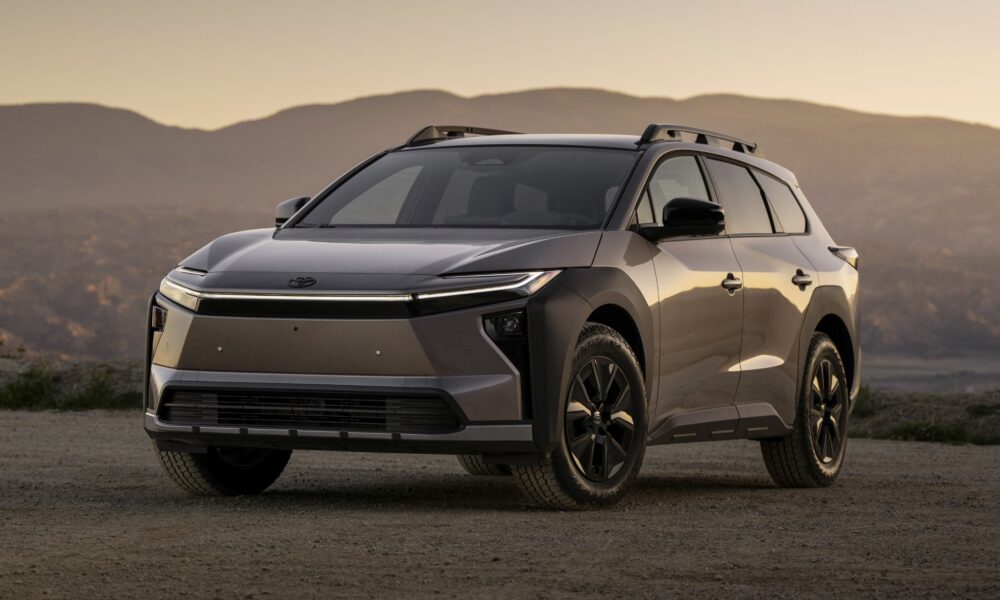
Electric SUVs are easy to make look adventurous. They are much harder to make feel credibly useful once the road gets worse or the load gets heavier. That is what makes Toyota's bZ Woodland worth talking about as a technology story rather than just another lifestyle launch.
What Changed
Toyota says the bZ Woodland arrives with standard all-wheel drive, 375 horsepower, more than 30 cubic feet of rear cargo volume, 8.4 inches of ground clearance, up to 3,500 pounds of towing capacity, Multi-Terrain Monitor support, and NACS charging access. Those details matter because they show utility being engineered across the full product, not painted onto it afterward.
The interesting part is how the EV hardware is being asked to serve a wider use case. Towing, ground clearance, charging speed, and cabin utility all put pressure on the battery-electric formula in different ways. A convincing rugged EV has to coordinate all of them without feeling compromised at every turn.
Why It Matters
Toyota is also careful not to oversell the concept as an off-road fantasy. The bZ Woodland still reads like a practical electric family SUV first. That restraint actually helps the engineering story because it keeps the product grounded in believable customer needs rather than heroic brand mythology.
So the Woodland deserves attention not because it looks tougher, but because it shows Toyota trying to broaden what an electric SUV can do without losing the logic that makes electric ownership workable in the first place.