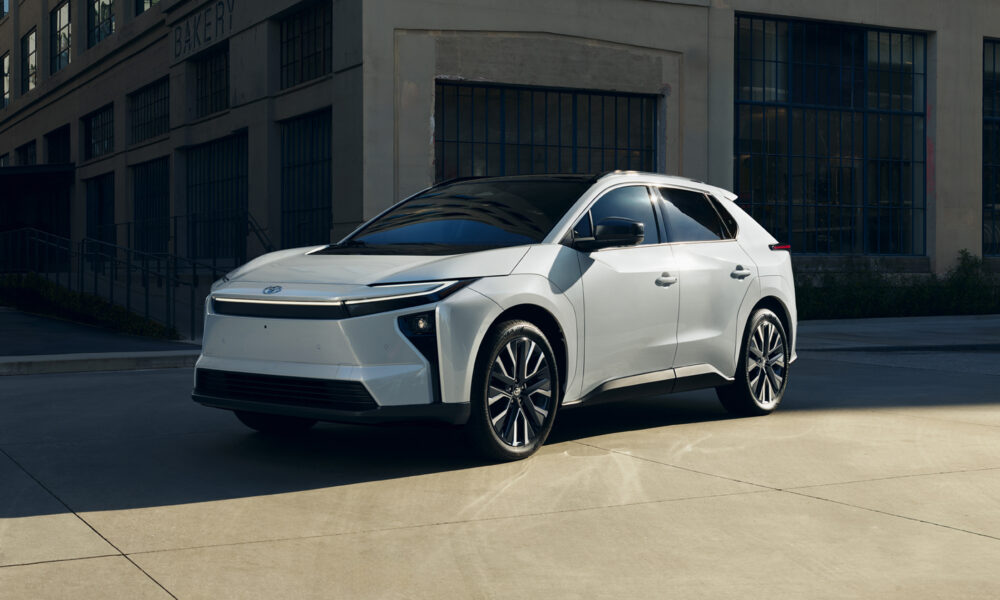
The original bZ4X always felt like Toyota entering the EV race with caution still visible in the sheetmetal. The 2026 bZ looks more decisive. Even the naming reset matters, because it suggests Toyota understands clarity counts just as much as hardware in a category where too many products still arrive half-translated for mainstream buyers.
What Changed
The official changes are substantial enough to move the car beyond cosmetic revision. Toyota says the 2026 bZ gets a larger battery pack on key grades, projected range of up to 314 miles, a North American Charging Standard port, and a redesigned front end paired with a cleaner interior layout and standard 14-inch display. Those are exactly the areas where the old story needed more conviction.
What makes the update interesting is that Toyota is not chasing extremity. It is not trying to turn the bZ into a headline machine. Instead, it is strengthening the parts of the ownership case that make an EV feel easier to recommend without caveat: range confidence, charging access, and an interface that looks more contemporary.
Why It Matters
That is strategically important because Toyota does not need an eccentric EV hero. It needs a trustworthy electric crossover that feels normal for the right reasons. The revised bZ moves closer to that target than the earlier car ever did.
In other words, this is less about spectacle than about credibility. The 2026 bZ makes Toyota's EV strategy look more settled, and that alone gives the car more weight.