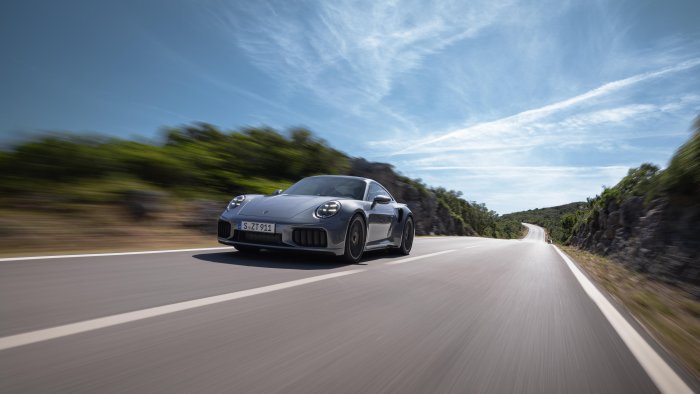
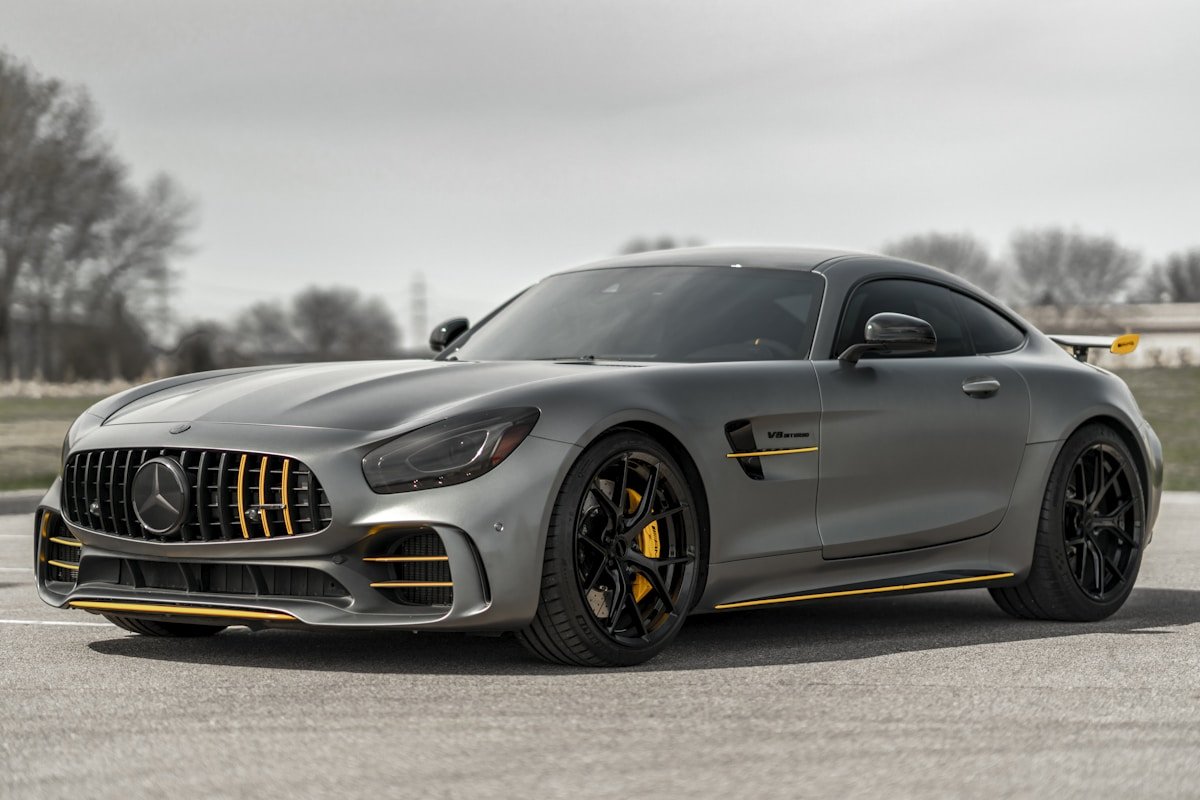
The EV slowdown has exposed how sensitive the mainstream market remains to pricing, financing, infrastructure confidence, and political mood. Supercars operate on another planet. Their customers are less rate-sensitive, less subsidy-dependent, and less interested in rational payback. That does not make the segment immune to every risk, but it does explain why the slowdown that has rattled volume automakers has barely disturbed the top end of the market.
The structural reason for this immunity is straightforward: supercar buyers do not decide whether to buy a Ferrari based on fuel costs, government incentives, or monthly payment calculations. They decide based on desire, exclusivity, and the experience the car provides. Ferrari operating profit margin — approximately 27 percent in 2024 — exceeds Apple and LVMH at their peaks. Lamborghini has a two-year waiting list for most models. Porsche GT division cars sell at significant premiums over list price on the secondary market immediately after allocation. These are not markets experiencing slowdown; they are markets experiencing structural undersupply relative to demand.
The supercar segment is also electrifying on its own terms and timeline, without the urgency that regulatory compliance imposes on volume manufacturers. Ferrari introduced the SF90 Stradale as a hybrid in 2019 and has gradually hybridised its range without customer resistance — if anything, the hybrid system that provides additional performance has been received positively. Lamborghini is delaying its first pure EV past 2030 because the technology does not yet meet the performance standard the brand requires. The supercar industry can afford to wait for the right technology because its customers are not choosing between a supercar and a Toyota — they are choosing between a supercar and another supercar.