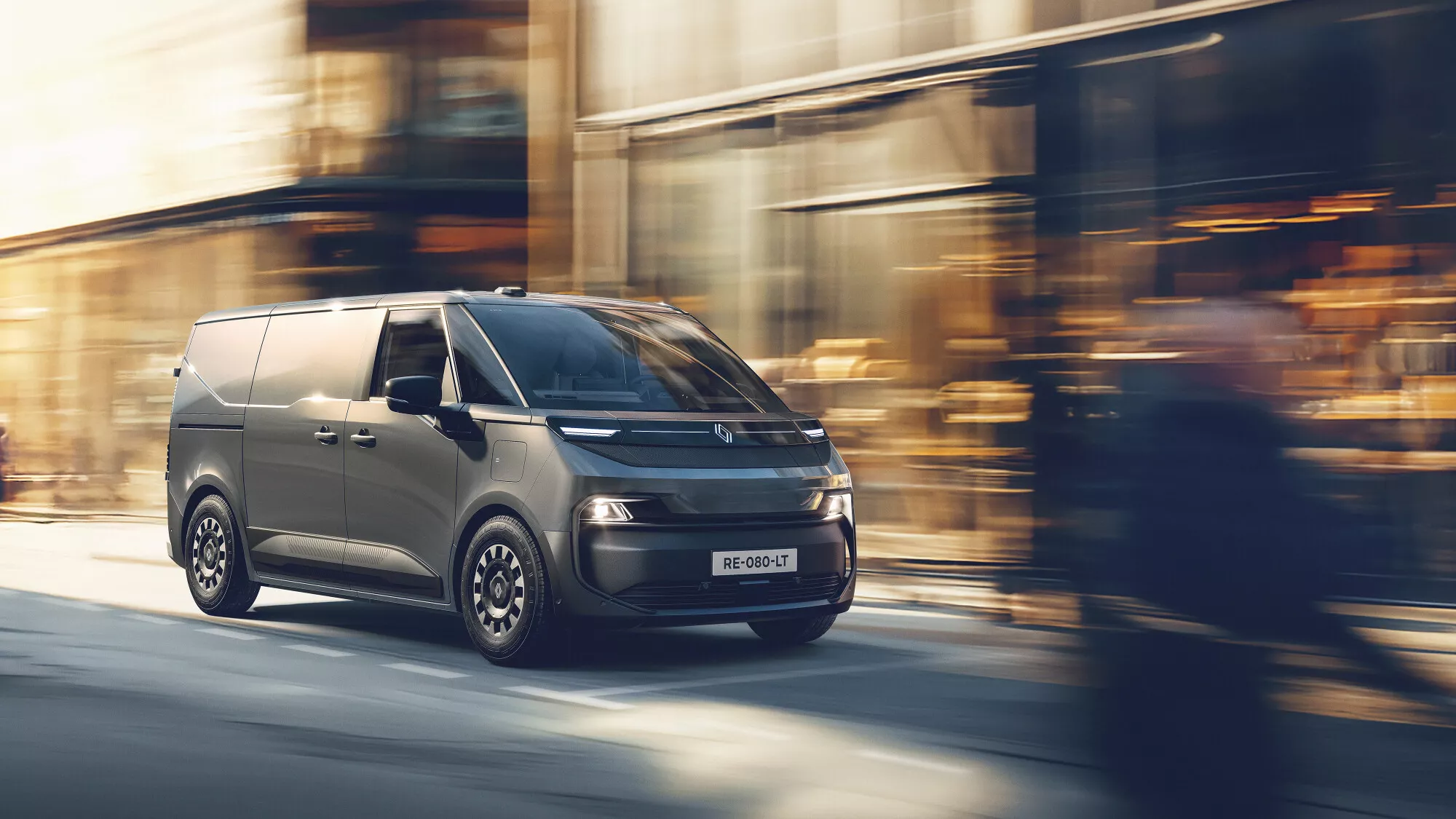
The Renault Trafic Van E-Tech electric is one of those future launches that tells a bigger story than the badge alone suggests. Commercial EVs rarely dominate headlines, yet they may shape the real economics of electrification faster than many passenger cars do.
What Changed
Renault says the new van will be the first Renault vehicle with software-defined architecture by Ampere and will introduce 800-volt fast-charging capability for up to 450 km WLTP range. That immediately places it in a more serious technological bracket than the average business-focused EV.
It also matters that Renault is presenting the Trafic as the first member of a broader all-electric LCV family, with production starting in late 2026 and more body styles to follow. That turns it from a one-off curiosity into a platform-level business move.
Why It Matters
For Future Car Launches, this is exactly the sort of product worth watching because it connects industrial planning, fleet economics and software strategy in one vehicle. The launch story is not only about the van itself, but about how quickly electric vans are becoming technically ambitious.
If Renault gets the execution right, Trafic Van E-Tech electric could become one of the more important low-drama launches of the next cycle, precisely because it targets the commercial core of the market.