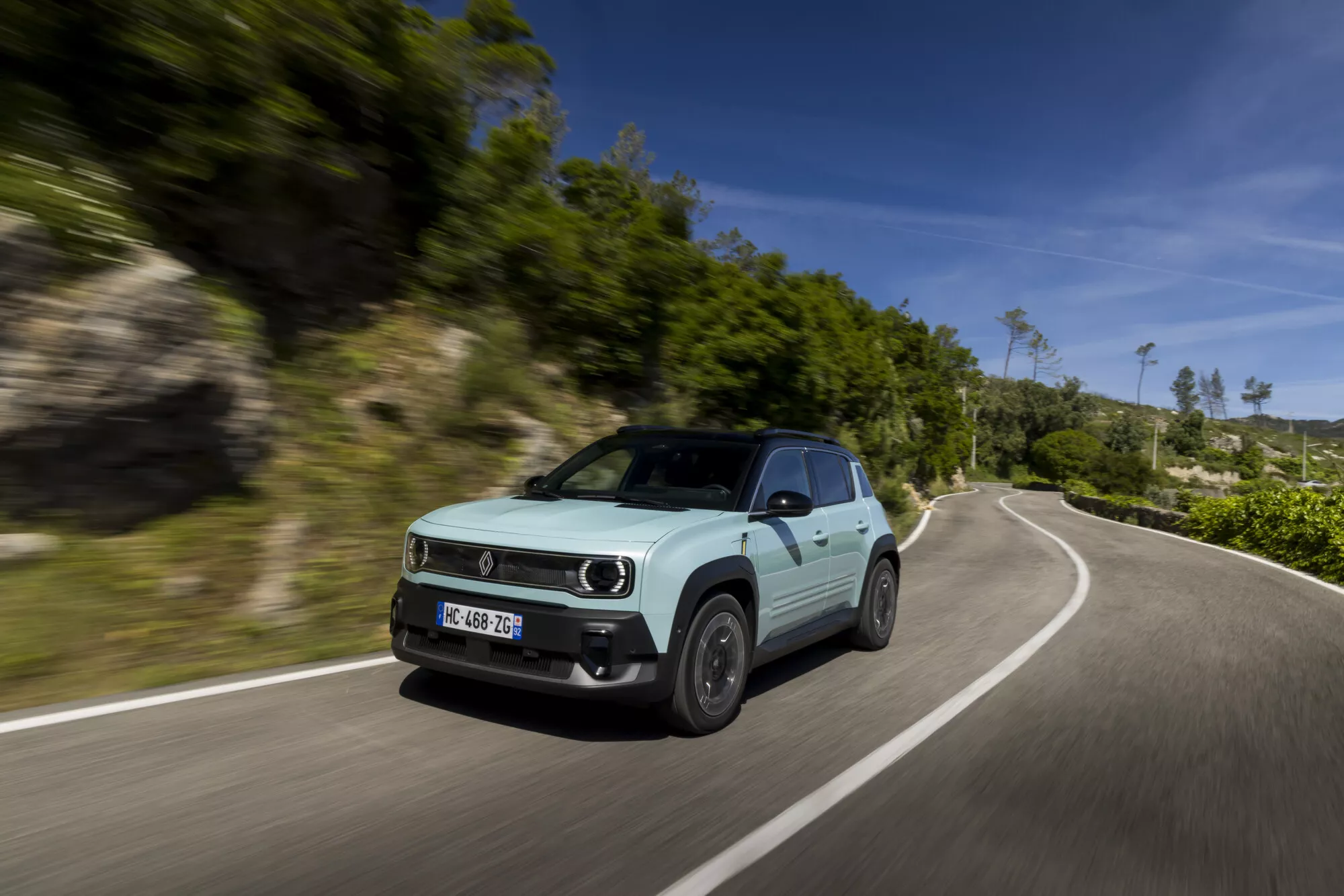
Renault 4 E-Tech electric immediately makes sense as a new-car story because it does not confuse heritage with product substance. The familiar design references help, but the more important point is that Renault has built a compact EV around versatility, packaging and a wider sense of everyday use.
What Changed
The official media material presents the car as one of the most versatile electric vehicles in the B segment, with strong interior space, a useful loading area, practical technology and a bidirectional 11 kW AC charger paired with 80 or 100 kW DC charging. Those are the details that move the story beyond nostalgia.
What makes the Renault 4 feel contemporary is that it treats electric ownership as a lifestyle normalizer rather than as a badge of ideological purity. V2L, V2G readiness, Google-based OpenR Link and an emphasis on real-world flexibility give it a product logic that is easy to explain.
Why It Matters
In New Cars, this matters because the smartest launches are often the ones that make adoption feel easier. Renault is not trying to reinvent the family EV from scratch here. It is trying to make the idea feel familiar, useful and slightly warmer than many rivals manage.
That is why the Renault 4 E-Tech electric lands so well. It feels like a car built for people who want an EV to fit into life rather than reorganize it.