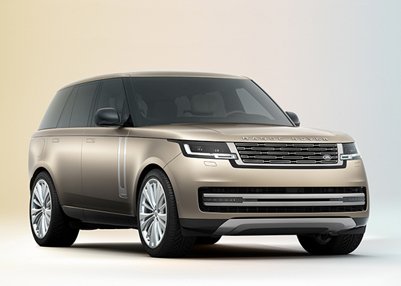
Range Rover Electric matters because JLR is refusing to treat cold-weather EV engineering as an invisible backend issue. In a luxury SUV, range stability, charging behaviour and cabin calm are part of the customer promise, which is why the latest winter-testing story matters more than most prototype updates do.
What Changed
According to Land Rover Media Newsroom, the vehicle's Arctic development cycle focused on ThermAssist technology, single-pedal driving, an in-house 800V battery and the preservation of Range Rover refinement in sub-zero conditions. Those details move the story beyond marketing language and into the reality of premium EV engineering.
For Electric Cars & The Future, that is exactly the right lens. The next EV frontier is not simply how fast a car charges on a sunny test route. It is how complete the vehicle feels in difficult real-world conditions where comfort, efficiency and control all come under pressure.
Why It Matters
That is where Range Rover Electric becomes more interesting than a typical luxury-SUV teaser. JLR is not promising disruption through raw novelty. It is trying to prove that an electric Range Rover can still feel effortless, which may be the harder achievement.
In WOWV2 terms, this is a future-facing EV story because it shows the market moving beyond launch spectacle. The premium winners will be the brands that make complex electric behaviour disappear behind a calm user experience.