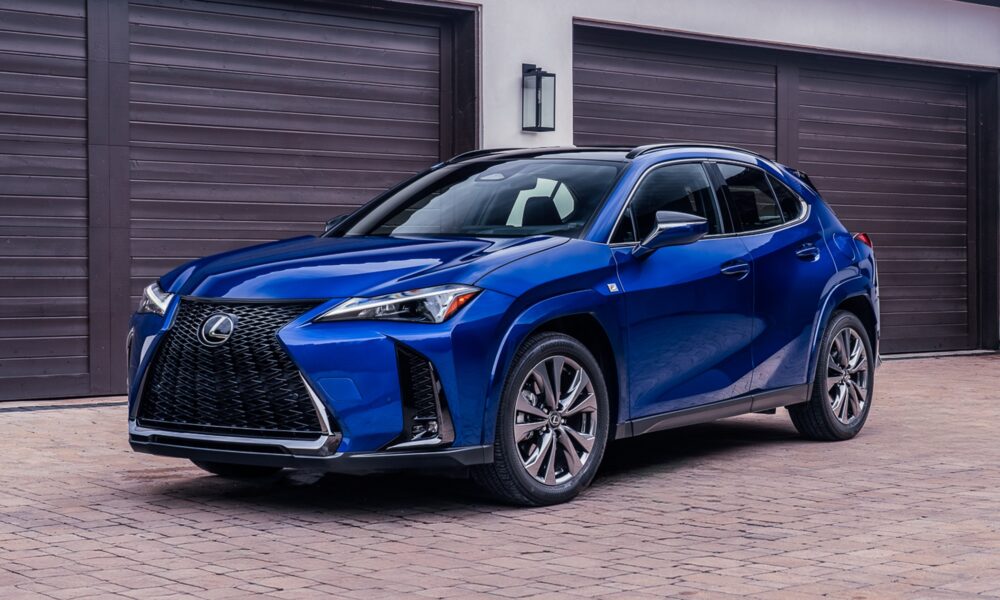
The Lexus UX 300h is not the loudest electrification story in the market, which is part of why it deserves more engineering respect. The best hybrid products are rarely the ones chasing spectacle. They are the ones that make the mechanical and electrical blend feel cleaner, lighter, and more natural than before.
What Changed
Lexus says the UX 300h uses the fifth-generation hybrid system, a new transaxle, and a compact lithium-ion battery that replaces the earlier nickel-metal hydride pack. Output rises to 196 horsepower, but the more important point is how the system becomes more responsive while also improving packaging and efficiency. That is exactly what mature hybrid work should look like.
There is also a useful lesson in the battery choice. Lightweight chemistry and better placement under the rear seat do not simply help numbers. They affect cabin flexibility, weight distribution, and the overall sense that the vehicle has been refined around the powertrain rather than forced to live with it.
Why It Matters
Shift-by-wire and the revised transaxle add another layer to the story. They suggest Lexus is paying attention not only to efficiency gains but to the subjective clarity of the interaction. Hybrid hardware earns loyalty when it stops feeling like a compromise and starts feeling integrated.
The UX 300h therefore deserves to be read as a technology success in miniature. It is not trying to announce a revolution. It is showing how much value still exists in getting hybrid fundamentals quietly, but meaningfully, right.