
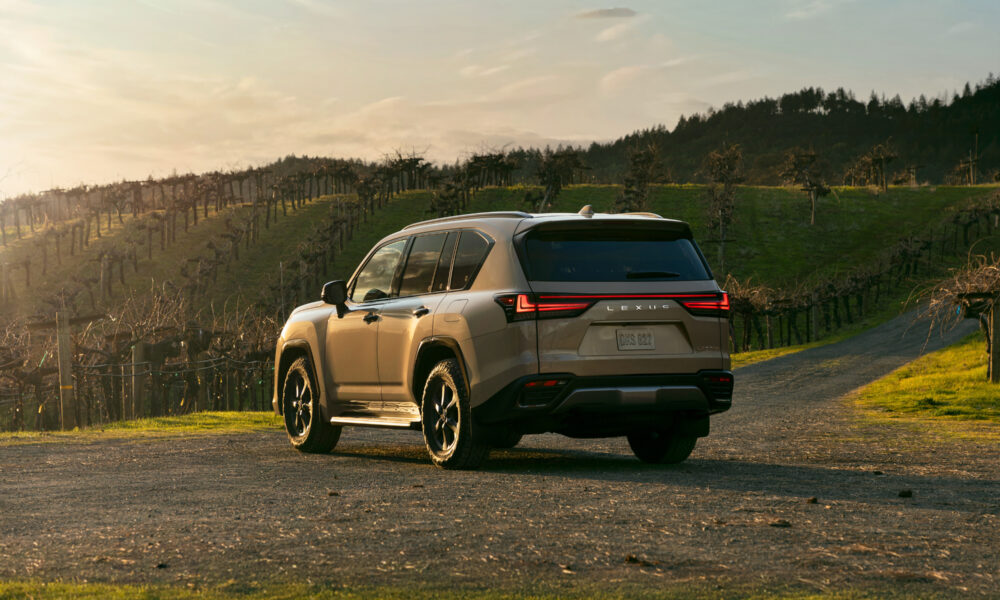
The LX 700h is important because full-size luxury SUVs carry more symbolic weight than most vehicles ever do. They are not bought simply as transport. They are bought as declarations of scale, confidence, and the right kind of restraint. That makes electrifying one of them a delicate exercise.
What Changed
Lexus handles that exercise by refusing to make the hybrid story apologetic. With 457 horsepower, 583 lb-ft, real towing muscle, and an Overtrail version that preserves the truck's physical credibility, the company makes the case that the flagship can evolve technically without losing social authority.
That matters because luxury buyers often tolerate electrification only when it feels additive rather than corrective. The LX 700h presents hybridization as more torque, more range of character, and more sophistication, not as a moral compromise the owner is being asked to accept.
Why It Matters
There is also a brand-management lesson here. Lexus understands that a flagship has to protect not only itself but the emotional hierarchy of the whole range. If the top car feels diminished, the rest of the lineup loses some of its aura too.
So the LX 700h deserves to be read as more than a product update. It is a case study in how premium brands preserve command and luxury presence while bringing new powertrain logic into the room.