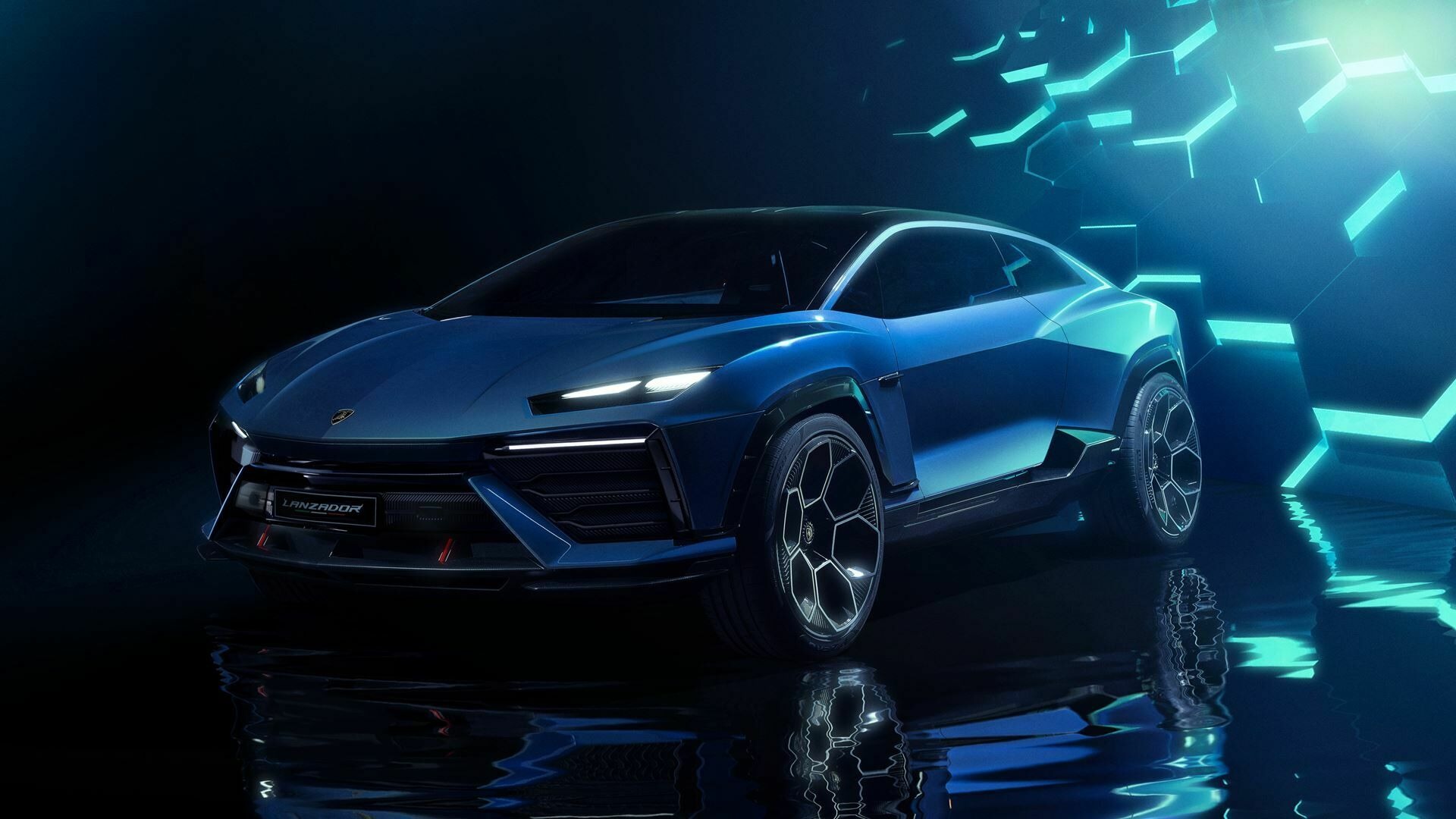

Lamborghini sells approximately 10,000 cars per year. Its combined social media following across major platforms exceeds 50 million people. The ratio of followers to buyers is not unusual for a luxury automotive brand, but the scale of the gap is — and it reveals something important about how Lamborghini has chosen to position itself in a media environment that rewards spectacle and penalizes restraint.
The Car as Content
The decision to design Lamborghini's cars for visual impact has always had a marketing dimension. The scissor doors of the Countach were engineering solutions that became aesthetic signatures. The angular, aggressive styling of every model since has been understood, both internally and externally, as the product of a design philosophy that prioritizes presence over subtlety. In the social media era, this philosophy has found its most commercially productive expression: a Lamborghini parked in a public space generates content without any additional investment from the manufacturer.
The brand's own content strategy amplifies this dynamic. The Lamborghini Instagram account posts production photography, track footage, and behind-the-scenes content from Sant'Agata. The content is high quality and consistent. It does not attempt to educate or explain. It presents the cars as objects of desire, which is the most honest possible representation of what they are.
The Halo Model Effect
Every Lamborghini product launch generates media coverage disproportionate to the car's volume. The Revuelto, built in limited numbers at significant cost, appeared on the front pages of automotive publications globally when it was revealed. The attention generated by the halo model strengthens the commercial position of the Urus — the brand's volume product — because buyers who cannot afford the Revuelto can still access the brand through the SUV. This dynamic is well understood in the luxury goods industry, where entry-level products subsidize the aspiration created by inaccessible flagships.
Motorsport as Credibility
Lamborghini's Huracán GT3 program provides the brand with a competitive motorsport presence that communicates performance credibility without requiring the enormous investment of a Formula 1 or Le Mans program. The Super Trofeo one-make series, which runs globally with Lamborghini customer cars, generates consistent coverage in the specialized motorsport media and provides a pathway for wealthy enthusiasts to participate directly in the brand's competitive activity. The commercial return on this investment — in brand building terms — exceeds what a conventional advertising spend of equivalent size could achieve.
Lamborghini's marketing success demonstrates a principle that luxury brands in every category are learning: the most effective marketing for an aspirational product is the product itself. When the cars are compelling enough that people want to look at them, talk about them, and share images of them without being prompted, the brand's commercial job becomes substantially simpler. Lamborghini has understood this longer than most.