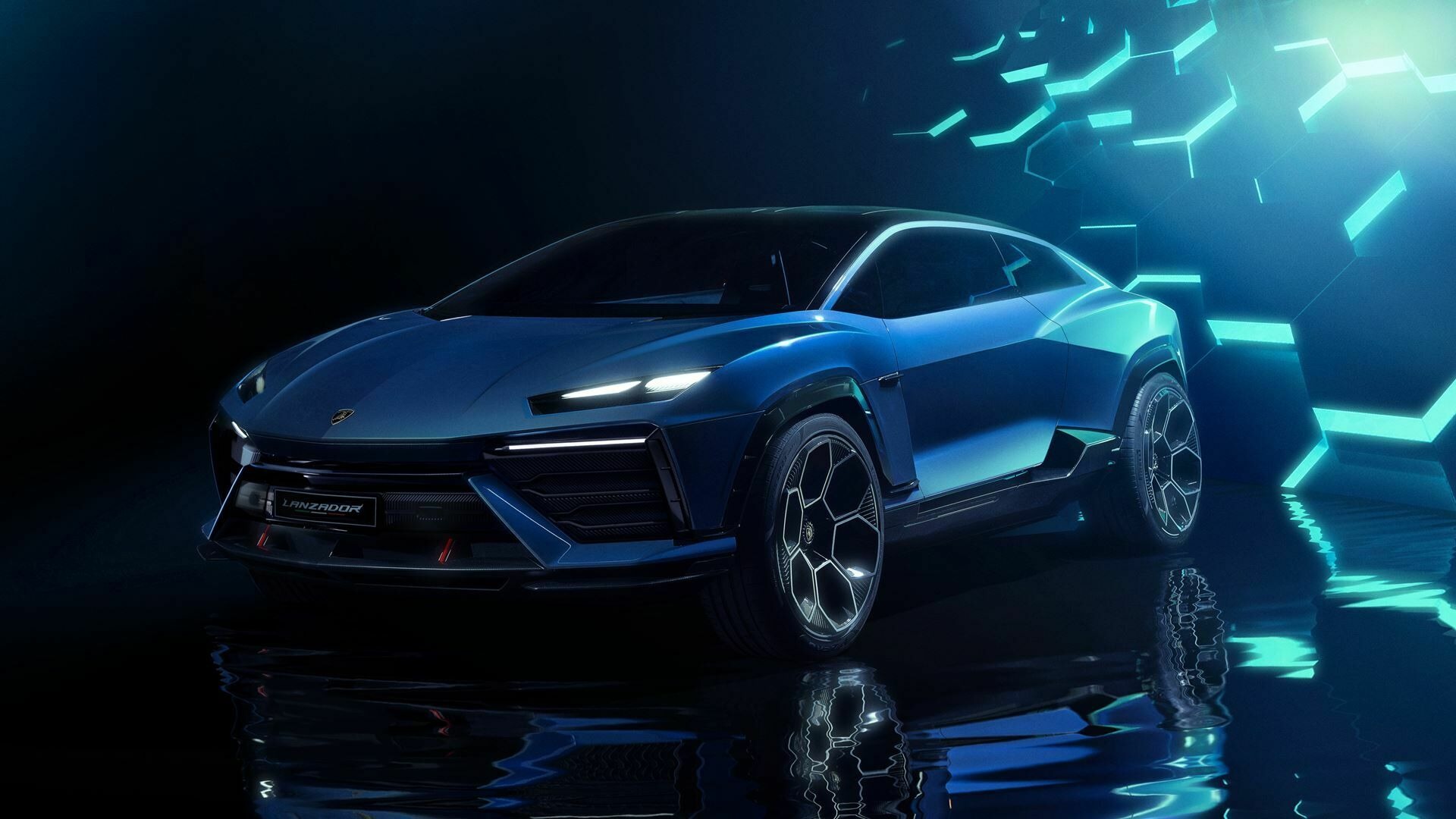

Lamborghini's transition to electrification follows a specific logic that the company has been unusually transparent about explaining. The Sant'Agata manufacturer will not build a pure battery electric vehicle until battery technology advances sufficiently to support the performance and driving character its customers expect. Until that point, every new model will use a hybrid powertrain — always with a combustion engine as the primary source of performance, always with electrification serving the combustion engine rather than replacing it.
The Three-Model Strategy
The current Lamborghini lineup consists of three models, each at a different stage of electrification. The Revuelto — replacement for the Aventador — uses a naturally aspirated 6.5-liter V12 producing 814 horsepower in combination with three electric motors adding 148 horsepower for a combined output of 1,001 horsepower. The Temerario replaces the Huracán with a twin-turbocharged V8 and a three-motor hybrid system producing 907 combined horsepower. The Urus SE uses a twin-turbocharged V8 hybrid producing 800 horsepower in the Super SUV segment.
Each of these powertrains was developed with a different objective. The Revuelto's system preserves the V12's naturally aspirated character while adding low-speed torque that the large-displacement engine alone could not provide. The Temerario's system enables the twin-turbo V8 to rev to 10,000 rpm — a figure that required the flat-plane crankshaft — by using electric torque to manage the demands of the lower rev range. The Urus SE's system reduces emissions while increasing performance, addressing both regulatory requirements and buyer expectations simultaneously.
What the Numbers Mean for the Industry
Lamborghini's CO2 emissions trajectory has improved significantly with each hybrid introduction. The company has publicly committed to a 50 percent reduction in fleet CO2 by 2025 compared to 2021 levels. For a manufacturer whose product range historically included a 12-cylinder engine as standard equipment, this figure represents a genuine engineering achievement rather than a regulatory accommodation.
The Pure EV Question
Lamborghini CEO Stephan Winkelmann has stated consistently that the company will introduce a pure battery electric vehicle "when the technology is ready." The specific conditions for readiness — range, weight, charging speed, and driving character — have not been publicly quantified. What is clear is that the BEV introduction will be a fourth model line rather than a replacement for any existing nameplate. The V12, V8, and hybrid Urus will remain in production alongside whatever electric model Lamborghini eventually develops.
Whether this strategy proves commercially correct over the next decade will depend on factors that no manufacturer can fully predict: the pace of battery technology development, the evolution of emissions regulations, and the degree to which Lamborghini's customer base accepts or rejects electrification. The early evidence — the Revuelto and Temerario have both sold their initial production allocations — suggests the strategy is working.