Elon Musk's present-day garage is easy to summarize and therefore not that interesting. His earlier automotive history is another matter. It reads like a blend of startup-era excess, genuine fascination, and the kind of impulsive high-net-worth decisions that become lore once enough people repeat them. That is what makes the story worth revisiting. It captures a version of Musk before Tesla turned every car-related detail into part of one larger brand narrative.
A more considered acquisition was the 1977 Lotus Esprit submarine car — Wet Nellie — from the James Bond film The Spy Who Loved Me. Musk purchased it at auction in 2013 for 997,000 dollars, outbidding a consortium that had hoped to preserve it for a British museum. He described his intention at the time as converting it into a functioning submarine, a project that has apparently not been realised. The car continues to appear at events associated with the Tesla brand.
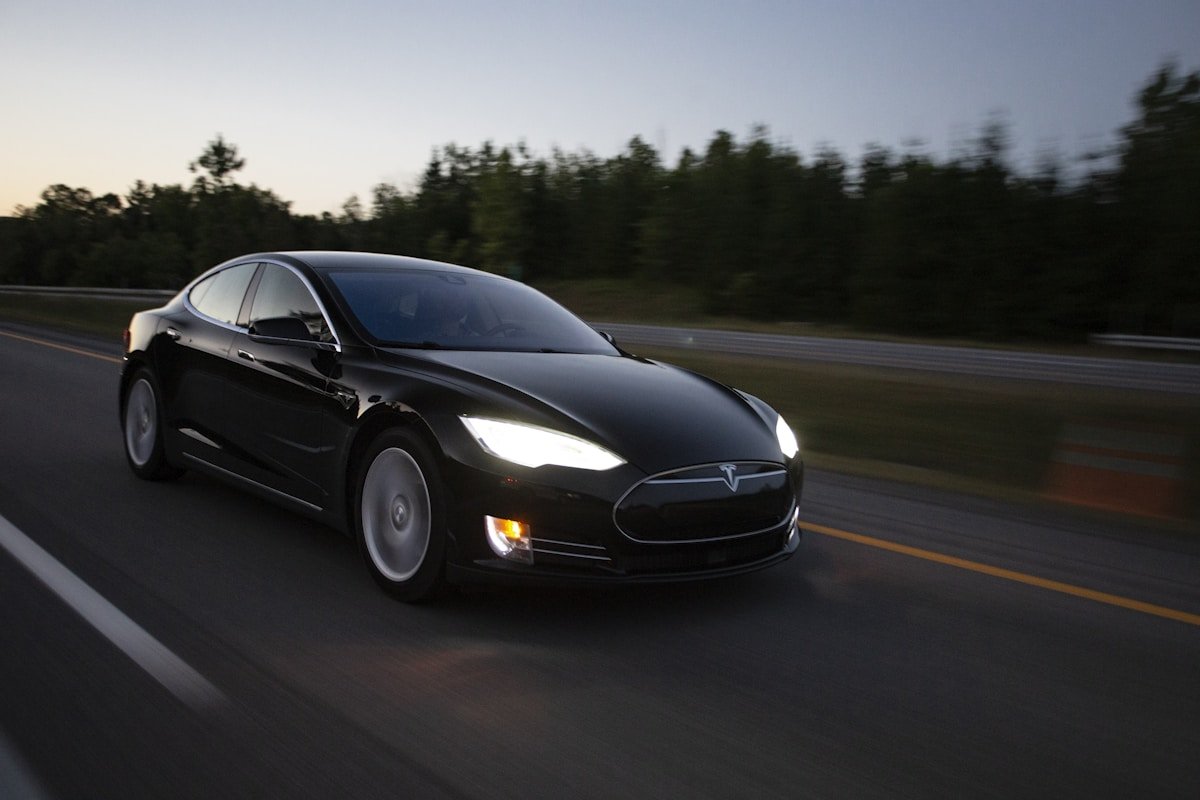
Today, Musk primary vehicles are Teslas — a Model S, a Model X, and a Cybertruck for daily use — a choice that is simultaneously authentic product demonstration and deliberate brand messaging. The contrast between his early enthusiasm for the McLaren F1 (which he described as the greatest car ever made) and his current all-Tesla lifestyle illustrates the degree to which building Tesla has changed his relationship with cars from a personal passion into an ideological commitment. For a man who could afford literally any car on earth, the Cybertruck is a statement as much as a vehicle choice.