
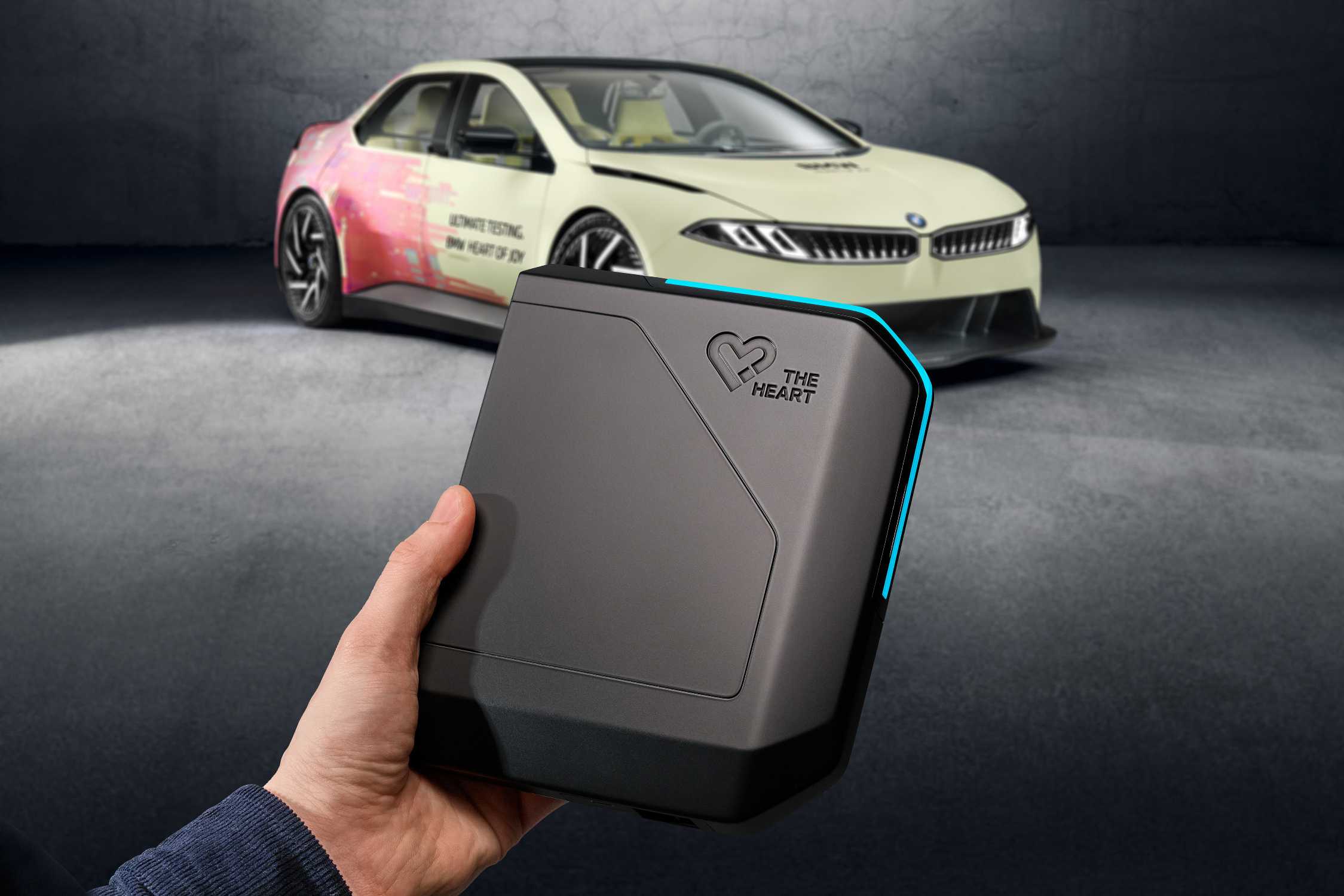
BMW's Heart of Joy matters because it captures one of the industry's next major shifts. Battery power has already solved the simple problem of straight-line force. What remains unresolved is the more nuanced challenge of how an electric car feels under braking, on lift-off, and when the driver starts asking for real dynamic subtlety.
What Changed
By building a faster control computer to coordinate propulsion, braking, recuperation, and steering-related responses, BMW is treating that challenge as a software-and-control problem rather than a simple hardware problem. That is a major signal for the industry.
It matters because future EV differentiation may increasingly depend on how well brands turn enormous digital capability into something emotionally natural. Control architecture is becoming as strategically important as battery chemistry once was.
Why It Matters
For rival manufacturers, that raises the bar. Fast EVs will soon be common. EVs that feel genuinely fluid and authored in their responses will be rarer and therefore more valuable.
So this belongs in industry coverage because it shows the conversation moving beyond headline speed and into the far harder territory of dynamic intelligence.