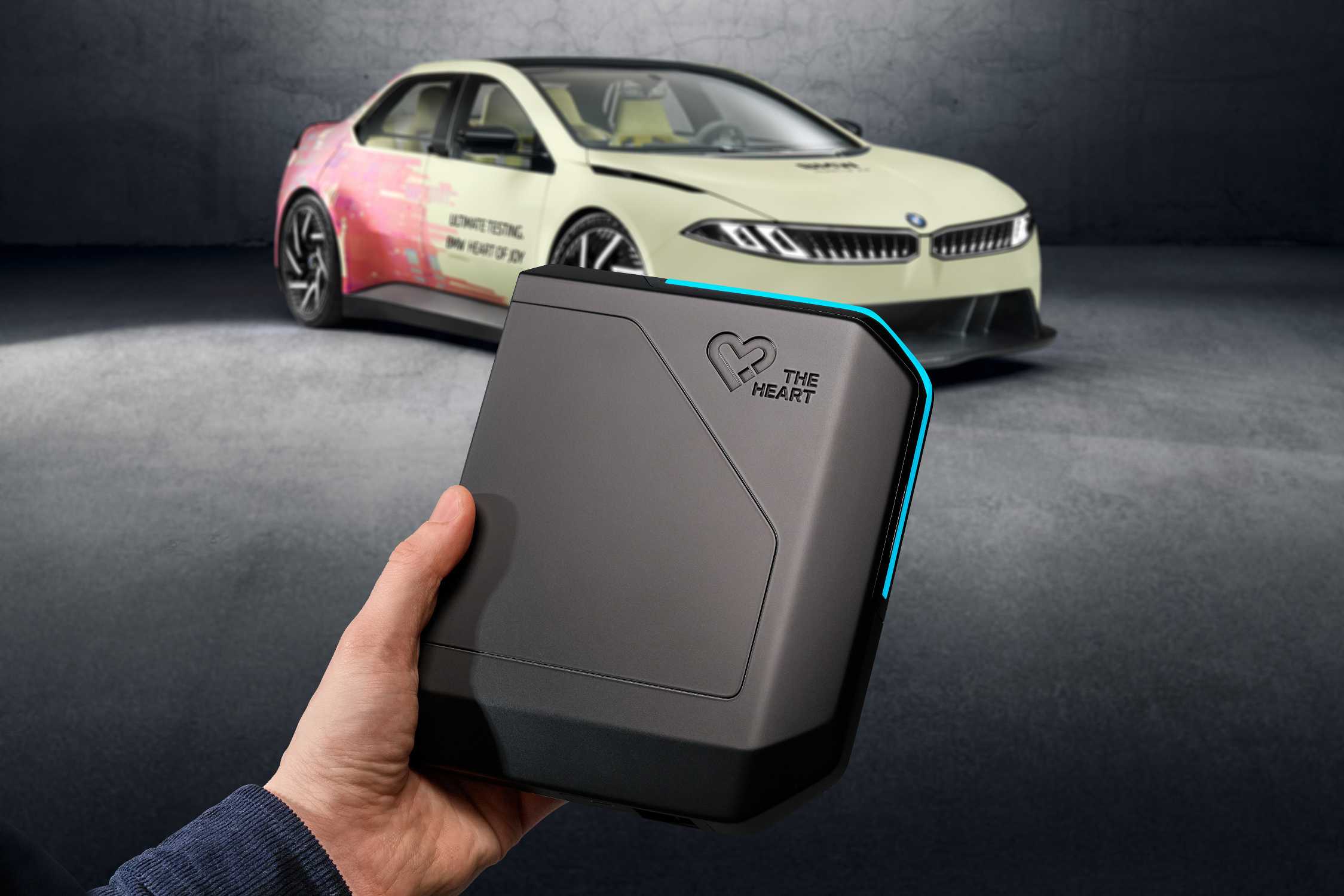
The next major EV battle may not be over range at all. It may be over feel. Battery cars can already deliver huge thrust. What they still struggle with is dynamic coherence. BMW's Heart of Joy project matters because it tries to solve exactly that problem.
What Changed
The company describes it as a new control computer that integrates propulsion, braking, recuperation, and steering-related responses at far higher speed than before. That matters because EVs often feel like several digital subsystems operating in sequence rather than one truly unified machine.
If BMW can make those layers work as one, it will have addressed one of the more subtle weaknesses of modern EVs. Fast can be easy. Fluid is harder. Natural rhythm through a corner, on lift-off, or under regenerative braking requires a far more disciplined control architecture.
Why It Matters
There is also a future-branding lesson in this. Premium manufacturers cannot live on battery scale alone forever. They need to show that electrification can preserve or even strengthen the driving identities that once differentiated their combustion cars. BMW is clearly trying to do that here.
So Heart of Joy deserves space in this category because it pushes the EV conversation into its next, more demanding phase. The future is not only about electrons. It is about how those electrons are made to feel.