
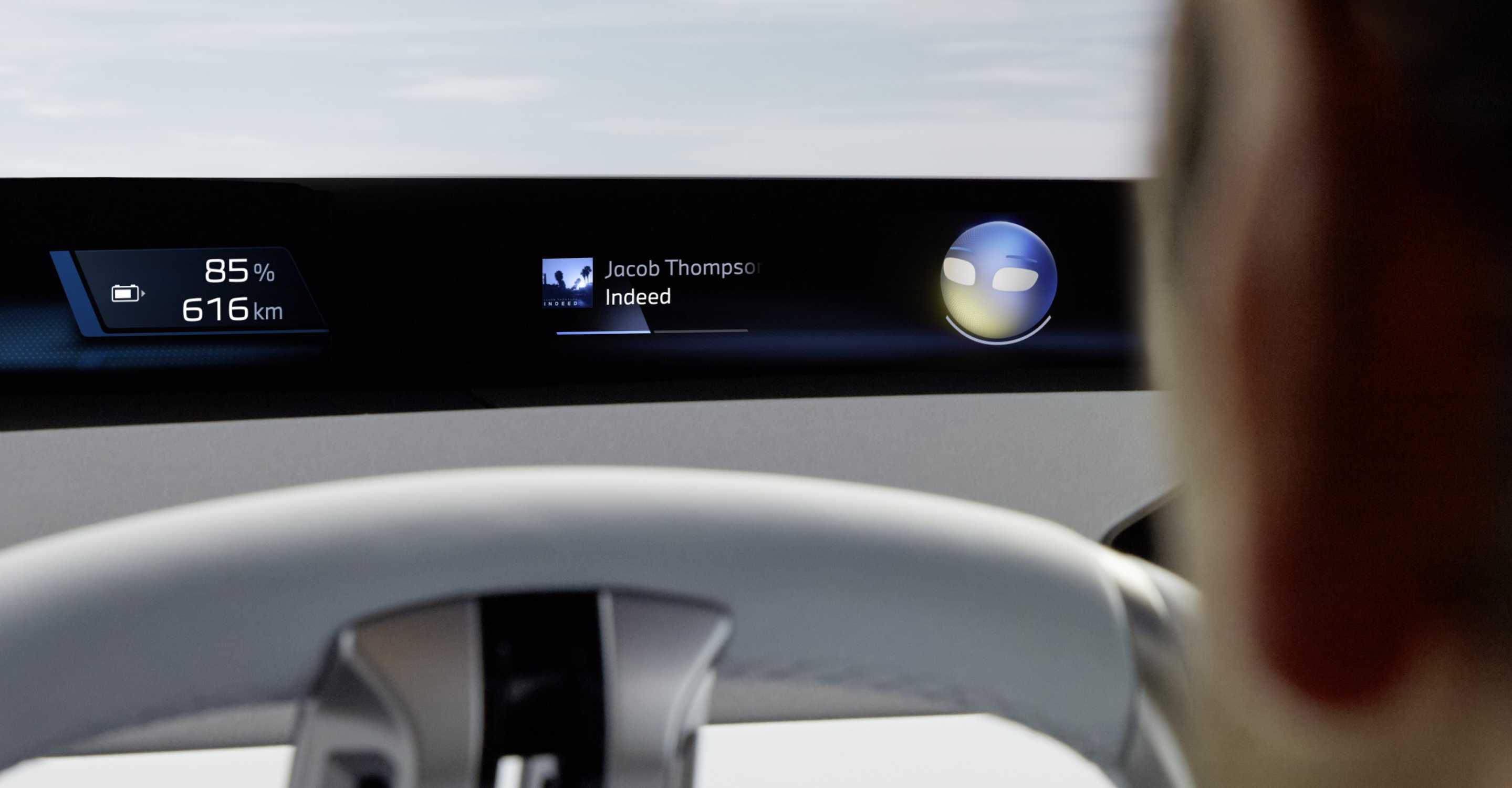
BMW's Alexa+ integration matters as industry news because voice control is returning to the conversation under much more demanding conditions. The modern car is carrying more software, more settings, and more connected services than before, which makes the interface question harder than a touchscreen alone may be able to solve elegantly.
What Changed
BMW is positioning its next assistant layer around more natural dialogue and better contextual understanding. That matters because buyers are no longer looking for novelty commands. They are looking for a system that can genuinely reduce friction when a cabin becomes too digitally dense.
The wider industry implication is significant. If conversational systems begin to work properly, they could become one of the most important invisible quality layers in the whole vehicle. If they fail again, they will remain a widely distrusted gimmick.
Why It Matters
Either way, the competition is clearly intensifying. Brands now understand that software-defined interiors need an interaction model that scales more gracefully than endless menus and touch prompts.
So this belongs in Auto Industry News because it marks voice not as a fad returning, but as a serious interface battleground reopening.