
800 Horsepower: What the PHEV System Actually Adds
The Lamborghini Urus SE pairs the familiar 4.0-litre twin-turbocharged V8 — producing 620 hp in this application — with a 192 hp electric motor integrated into the rear axle. Combined system output is 800 hp and 950 Nm of torque, making the Urus SE the most powerful Lamborghini production SUV ever built and positioning it above the Porsche Cayenne Turbo GT, the Aston Martin DBX707, and the BMW XM Label Red in the segment's power hierarchy.
The 0-100 km/h time of 3.4 seconds is 0.1 seconds faster than the Urus S despite the SE carrying approximately 200 kg more mass from the battery and motor package. This is only possible because the electric motor's instant torque fills the V8's turbo lag gap so completely that the effective response from a standing start is closer to a naturally aspirated engine than to a turbocharged one. The result is acceleration that feels more linear and more violent simultaneously — two qualities that should contradict each other but do not when the electric motor is timed correctly.
60km Electric Range: Why This Number Matters at Lamborghini's Price Point
Sixty kilometres of WLTP electric range in a 2,700 kg super SUV is an engineering achievement that deserves more attention than it typically receives. The 25.9 kWh battery is the largest ever fitted to a Lamborghini product, and its thermal management system is designed to maintain consistent electric performance across the temperature range encountered in the brand's primary markets — Southern Europe, the Middle East, and the US Sunbelt states.
For Urus SE owners who live in European cities with low-emission zones or who face congestion charges in London, Milan, or Paris, the 60km range means the majority of urban driving can be completed without combustion engine operation. This is not the reason the Urus SE was bought — nobody spends €350,000 on a car primarily for emission zone compliance — but it is the reason the purchase can be justified to a corporate tax department, a board, or a regulatory framework that increasingly monitors executive vehicle choices. The electric range is a commercial enabler disguised as a performance feature.
Lamborghini Urus SE — Specification Summary
- Engine: 4.0-litre twin-turbo V8 + 192hp electric motor
- System output: 800 hp / 950 Nm
- 0-100 km/h: 3.4 seconds
- Top speed: 312 km/h
- Electric range: 60 km WLTP
- Battery: 25.9 kWh
- DC charging: Not supported (AC only, 7.4 kW)
- Transmission: 8-speed automatic, AWD
- Kerbweight: ~2,700 kg
- Price from: €350,000+
The Chassis: Managing the Weight Penalty
The additional mass of the PHEV system is distributed predominantly low in the vehicle — the battery occupies space beneath the rear floor, lowering the Urus SE's centre of gravity relative to the Urus S despite the higher overall weight. Lamborghini's engineers have recalibrated the active roll stabilisation system, the air suspension, and the torque vectoring to account for the altered weight distribution, and the result is a car that, on the road, does not feel heavier than its predecessor in the ways that matter most: turn-in response, lateral grip transitions, and the precision of braking from high speed.
The rear electric motor contributes to torque vectoring capability that the Urus S's mechanical system alone could not achieve. The system can send drive torque independently to the left and right rear wheels, producing a cornering behaviour that is unusually neutral for a vehicle of this mass. In CORSA mode, the torque vectoring aggressiveness increases to the point where the Urus SE can be provoked into mild oversteer — not as a party trick but as evidence that the chassis has genuine dynamic depth beneath the comfort-oriented default calibration.
The Volume Logic: Why the Urus SE Is Lamborghini's Most Important Car
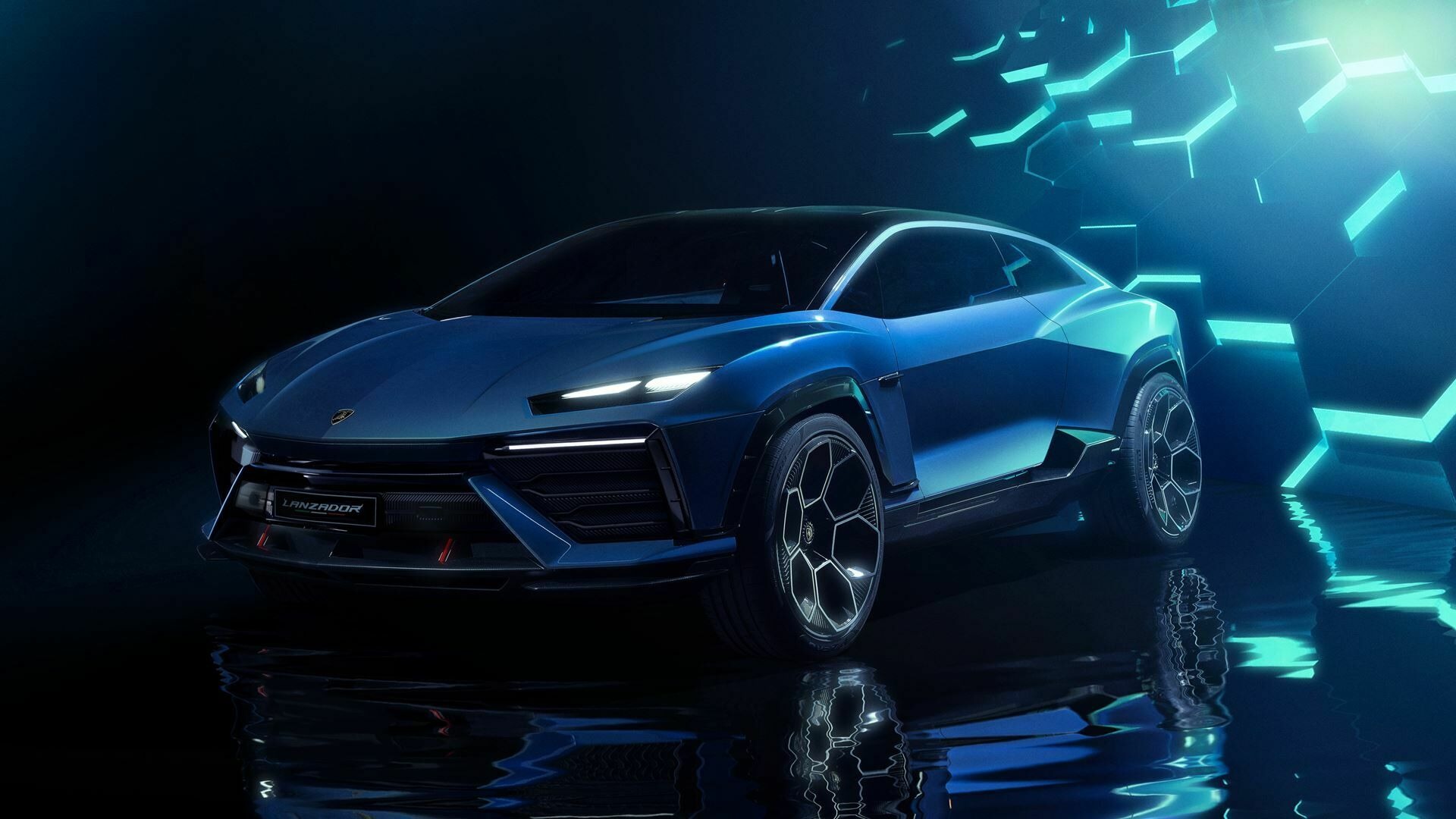
The Urus accounts for more than 60% of Lamborghini's annual production volume. Its electrification is therefore not a peripheral product decision — it is the financial foundation that funds the Revuelto's V12 development, the Temerario's GT4e architecture work, and the Lanzador's full-BEV platform investment. A Urus SE that fails commercially would compromise every other product in the range.
By producing 800 hp and 3.4-second acceleration, Lamborghini has ensured that the PHEV transition does not require the Urus buyer to accept a performance compromise. By adding 60km of electric range, they have given the car a practical daily credential that the Urus S lacked. And by pricing it above the Urus S's outgoing price point, they have maintained the margin structure that makes the volume justification viable. The Urus SE is the most thoroughly considered product Lamborghini has built in recent years — which is, given the brand's history of producing cars for reasons other than commercial calculation, the most significant compliment you can offer it.
Source: Automobili Lamborghini S.p.A. — Urus SE official reveal and technical documentation, 2024.