
Automotive roadmap stories often get flattened into clean headlines the companies themselves would never use. Lamborghini's EV future is one of those cases. The simplest version, "EV delayed," misses the more revealing point: the brand is trying to complete its hybrid transformation in a way that preserves identity, profitability, and theatrical product timing before it asks buyers to follow it into a full-electric fourth model.
That distinction matters because Lamborghini is not treating electrification as a binary choice between combustion purity and battery surrender. The brand’s Direzione Cor Tauri plan, first laid out in 2021, envisioned a staged transition: celebrate combustion first, hybridize the entire range by the end of 2024, then introduce a full-electric fourth model later in the decade. By mid-2025, Lamborghini’s own sustainability reporting said the first fully hybrid production range was already in place. In practical terms, that means the company is no longer speaking from the sidelines of electrification. It is already deep into it.
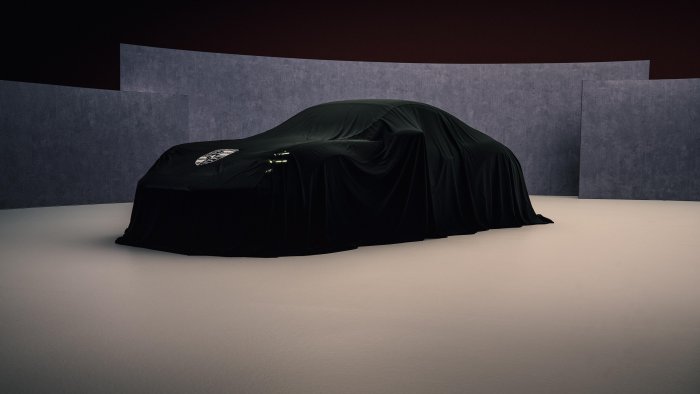
The most important recent car in that transition is Temerario. Official Lamborghini material throughout 2025 positioned it as the model that completed the marque’s hybrid reset after Revuelto and Urus SE. The numbers tell you why the company is confident enough to make that argument: Temerario uses an all-new twin-turbo V8 hybrid powertrain, revs to 10,000 rpm and is marketed not as a compromise car but as proof that hybridization can intensify the emotional side of a Lamborghini rather than dilute it. Customer deliveries are scheduled to begin in the first quarter of 2026, which gives the brand a fully hybrid showroom before the EV question even arrives.
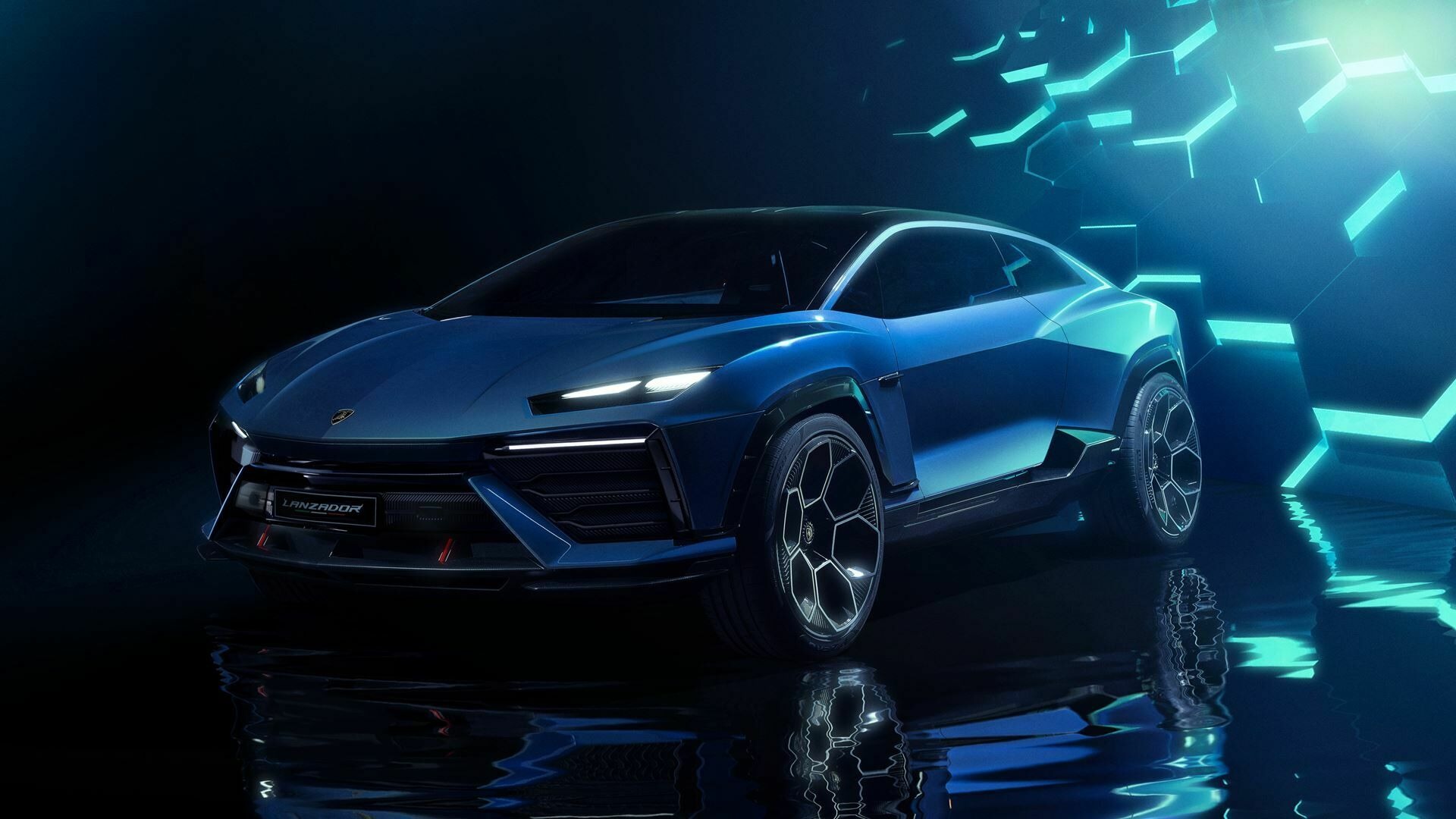
That is why Lanzador remains so important. It is not just a concept sketch for an electric Lamborghini; it is the bridge between the current hybrid phase and the future fourth model. Lamborghini says the car opens a new Ultra GT segment, with a 2+2 layout, active aerodynamics, two electric motors, more than one megawatt of peak power and a cabin explicitly designed for a different type of long-distance performance luxury. Whether every specification survives intact is less important than the strategic signal: Lamborghini still wants its first EV to expand the brand, not imitate one of its super sports cars with batteries stuffed underneath.
So the stronger interpretation in 2026 is not that Lamborghini has abandoned electrification, nor that it is blindly rushing toward it. The company is trying to time the switch in a way that protects what customers actually buy the brand for: theatre, sound, response, design drama and a sense that every product has its own defined role. The hybrid phase buys Lamborghini time, but it also buys credibility. By the time the electric fourth model arrives, the brand wants to show it has already mastered electrified performance on its own terms.
In that light, the real story is less about delay and more about sequencing. Lamborghini has chosen to complete the hybrid transformation first, let Temerario establish the new performance baseline, and keep Lanzador as the future-facing electric statement. That is a more accurate reflection of the company’s official roadmap than the idea of a simple retreat back into combustion.