Hyundai's next-generation hybrid system matters because Hyundai is trying to make hybridization feel like a genuine engineering step forward rather than a compliance patch That is the part of the story that fits the WOWV2 tone best: the official release gives us the hardware, but the more interesting question is what kind of product decision the brand is really making.
What Changed
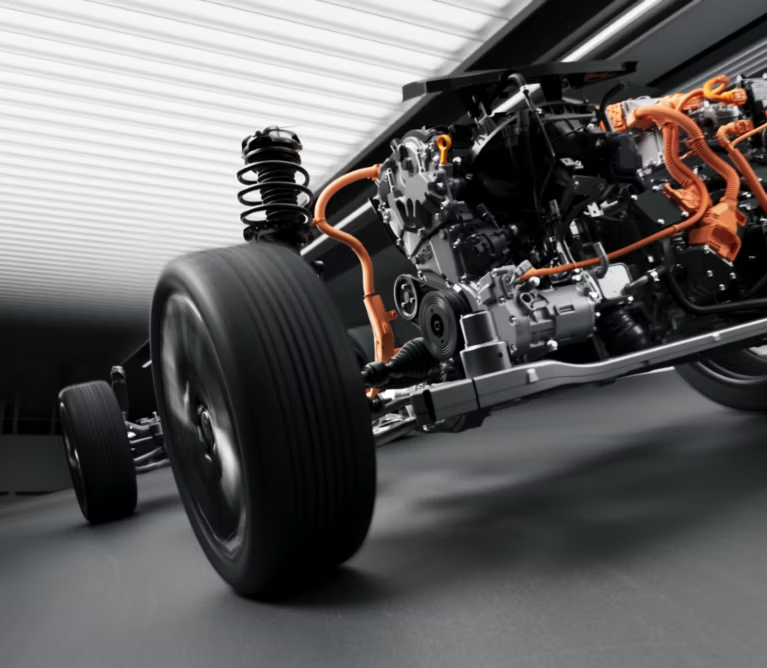
According to Hyundai Newsroom Europe, the official tech release details a two-motor transmission, better power and efficiency, broader application across vehicle classes and EV-derived functions such as V2L and smart regenerative braking Those specifics move the article beyond launch theater and give the car or technology a clearer place in the current market conversation.
Within Mechanics & Technology, the story lands because the real industry story is not only full EV growth; it is also how cleverly brands improve the hardware millions of buyers will encounter sooner It is not simply another OEM headline dropped into the feed. It says something about where the brand thinks demand, regulation, and customer taste are moving next.
Why It Matters
That matters for readers because it gives Hyundai a credible technical narrative for the transition era, which is exactly the sort of story this category should surface In magazine terms, this is the difference between a car that looks new and one that genuinely changes how we talk about the segment around it.
The result is a stronger editorial angle than the source material alone provides. Hyundai's next-generation hybrid system feels relevant not because the manufacturer says it is important, but because the broader category logic now supports the claim.