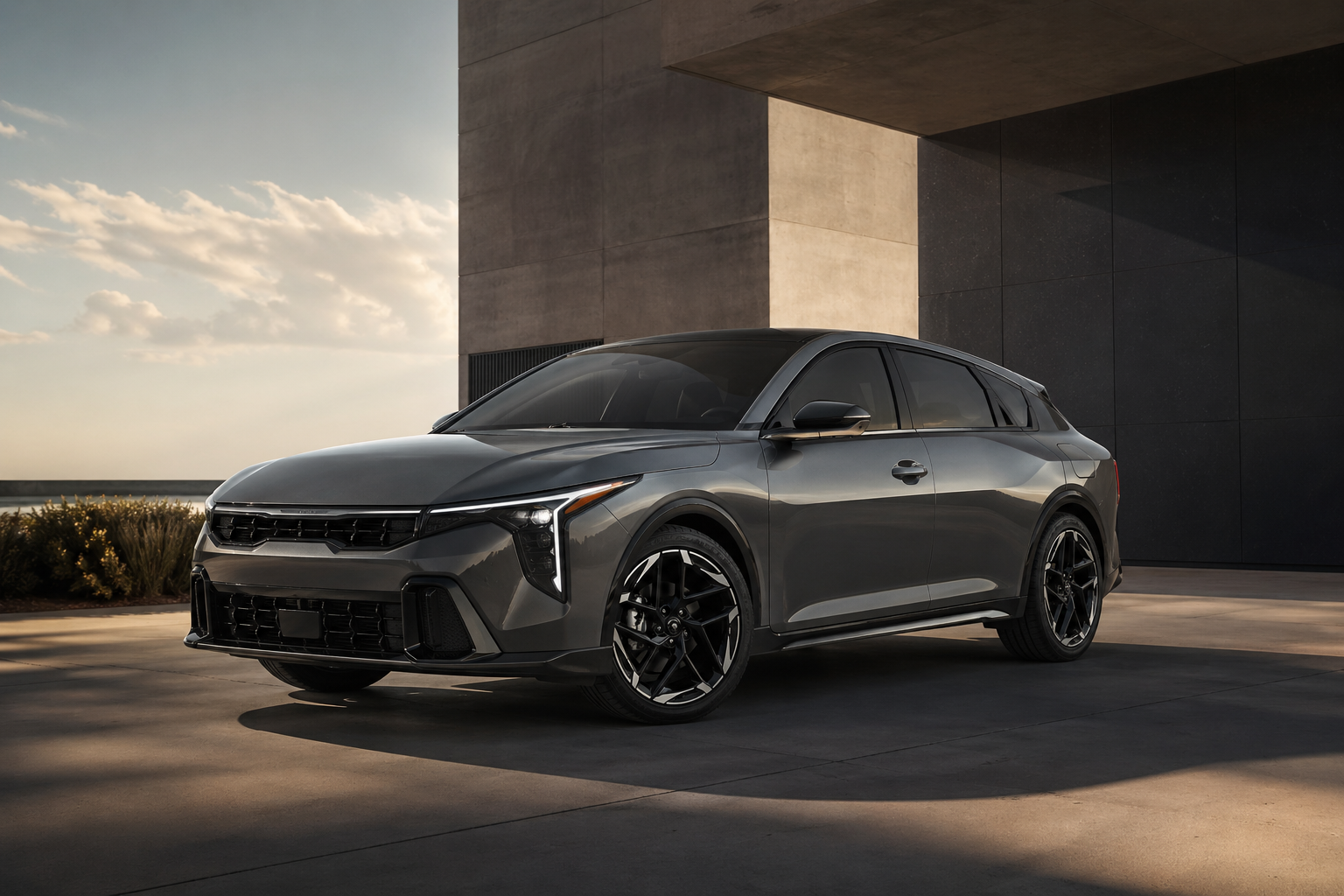

The Hyundai IONIQ 9 matters because Hyundai is using a large electric SUV to prove it can combine premium space, range confidence and real family usability in one product That is the part of the story that fits the WOWV2 tone best: the official release gives us the hardware, but the more interesting question is what kind of product decision the brand is really making.
What Changed
According to Hyundai Newsroom Europe, the press kit frames the car around a 110.3 kWh battery, lounge-style interior packaging, 800-volt charging capability and a quieter, more refined cabin than buyers usually expect in a three-row EV Those specifics move the article beyond launch theater and give the car or technology a clearer place in the current market conversation.
Within New Cars, the story lands because the car sits exactly where mainstream EV adoption gets harder, because large families ask more of comfort, cargo, charging speed and everyday flexibility than small urban EV buyers do It is not simply another OEM headline dropped into the feed. It says something about where the brand thinks demand, regulation, and customer taste are moving next.
Why It Matters
That matters for readers because it turns Hyundai's electric strategy into something broader than design-led disruption and gives the brand a product that can credibly sit at the top of a household shopping list In magazine terms, this is the difference between a car that looks new and one that genuinely changes how we talk about the segment around it.
The result is a stronger editorial angle than the source material alone provides. The Hyundai IONIQ 9 feels relevant not because the manufacturer says it is important, but because the broader category logic now supports the claim.