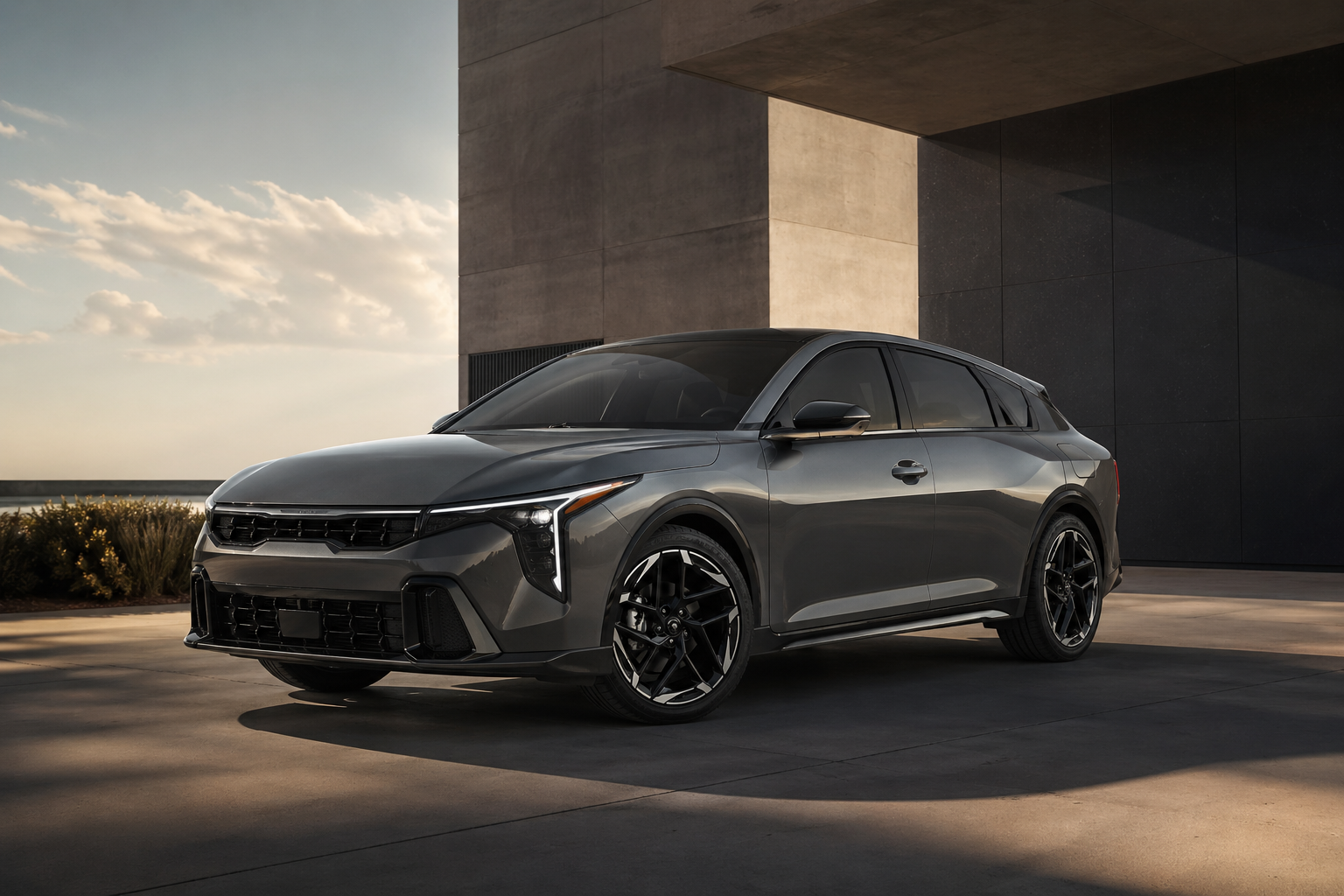

Geely entered the top-tier sales conversation in 2025 because it kept turning domestic EV demand into measurable scale. The EX2 became one of the clearest symbols of that momentum. It was not important because it was exotic. It was important because it was legible to real buyers and commercially sharp.
That distinction matters. A market winner is not always the car with the most interesting talking points. It is often the one that solves the most ordinary needs with the fewest compromises.
Why the EX2 hit so hard
The EX2 succeeded by landing in a sweet spot that remains brutally competitive: compact size, EV simplicity, usable packaging, and a price position that did not scare away mass-market buyers. It gave Geely a product that could grow fast without depending on a luxury halo or an enthusiast niche.
That is a much more serious achievement than a flashy launch cycle.
A clearer picture of Geely's strength
The EX2 also showed how Chinese volume growth increasingly comes from products that are methodically targeted rather than sensational. Geely did not need a fantasy car. It needed a vehicle that fit domestic demand and could scale quickly. The EX2 did exactly that.
For the broader industry, that is an uncomfortable but useful lesson. Competitive pressure now comes from companies that have learned how to industrialize relevance.
What it means beyond one model
The EX2 matters because it helps explain why Geely belonged in the 2025 top ten conversation. It turned strategy into daily sales and made the brand's EV strength visible in the most unforgiving way possible: volume.
That is why the car deserves attention. It is not just a good domestic hit. It is a sign of how quickly the global balance of confidence can change.