The easiest mistake with a Nurburgring headline is to treat the time as the whole story. In the case of the Corvette ZR1X, the number is strong enough that it does not need embellishment. What matters is describing it with precision. Chevrolet recorded a genuinely serious lap and earned a credible bragging right in the process, but the official category, the development context, and the way the result was presented all deserve to stay attached to the claim.
The context matters because Chevrolet took three Corvettes to Germany at once: Z06, ZR1 and ZR1X. More importantly, the cars were driven by the engineers who developed them rather than by professional racing stars hired solely for one headline run. That was the central story Chevrolet wanted to tell. The Nurburgring effort was presented as proof of engineering depth, internal driver development and confidence in the production-spec cars themselves. In that sense, the lap is not just a marketing number; it is an unusually well-framed technical statement from GM.
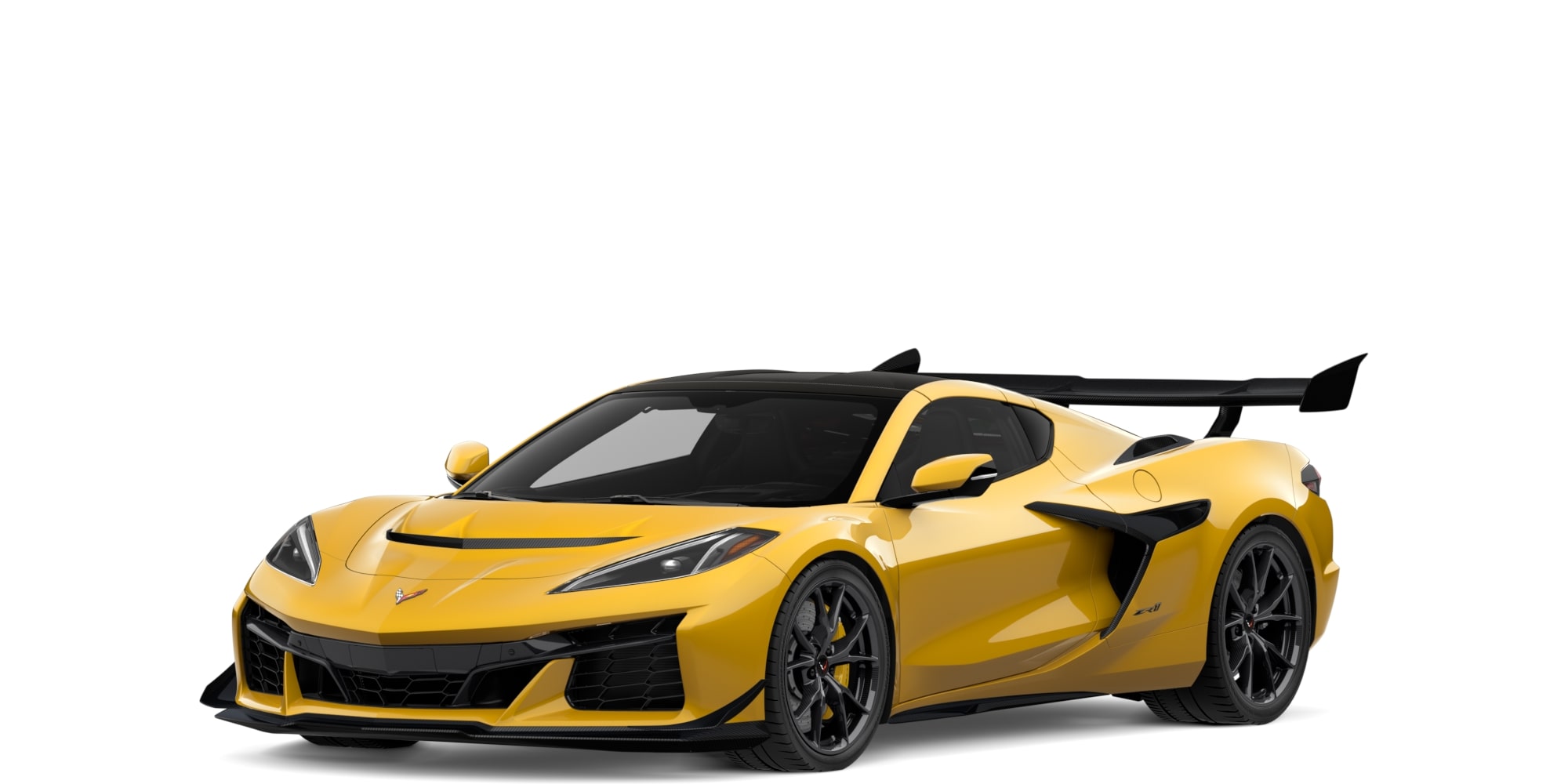
The ZR1X hardware explains why it was capable of getting this close to the very top of the official leaderboard. Chevrolet introduced the 2026 ZR1X in June 2025 as a 1,250-horsepower electrified all-wheel-drive hypercar using the twin-turbo LT7 V8 together with a front-axle electric motor. That combination gives it a very specific advantage on a circuit like the Nordschleife: massive combustion power on the fast sections, but also the kind of front-end traction and immediacy out of slower corners that a purely rear-driven car struggles to match.
Still, the Nurburgring result needs to be read with the category note attached. Chevrolet’s own release states that the ZR1 and ZR1X times were logged in the Prototype/Pre-Production category because those variants are not sold in Europe. The cars were U.S.-production-specification vehicles with only the safety equipment the track requires, but the classification is not identical to a regular series-production homologation entry in the same way a fully sale-ready European-market model would be. That does not cheapen the result; it simply makes the comparison cleaner and more honest.
Once that context is in place, the lap becomes arguably more impressive, not less. A 6:49.275 time still puts the ZR1X among extremely serious company, and it supports Chevrolet’s broader claim that the C8 platform has moved Corvette into territory that used to belong only to far more expensive European exotica. The ZR1X is not interesting because it “beats Europe” in some chest-thumping way. It is interesting because it shows how far American performance engineering has evolved when the brief, the drivers, the platform and the execution are all aligned.
So the best way to read the Nurburgring story is this: ZR1X is not just quick for a Corvette. It is a genuine hypercar-level machine that produced one of the most significant American laps the modern Nordschleife timing era has seen. And because Chevrolet gave the run proper official framing, the number stands up better under scrutiny than many headline-grabbing record claims usually do.