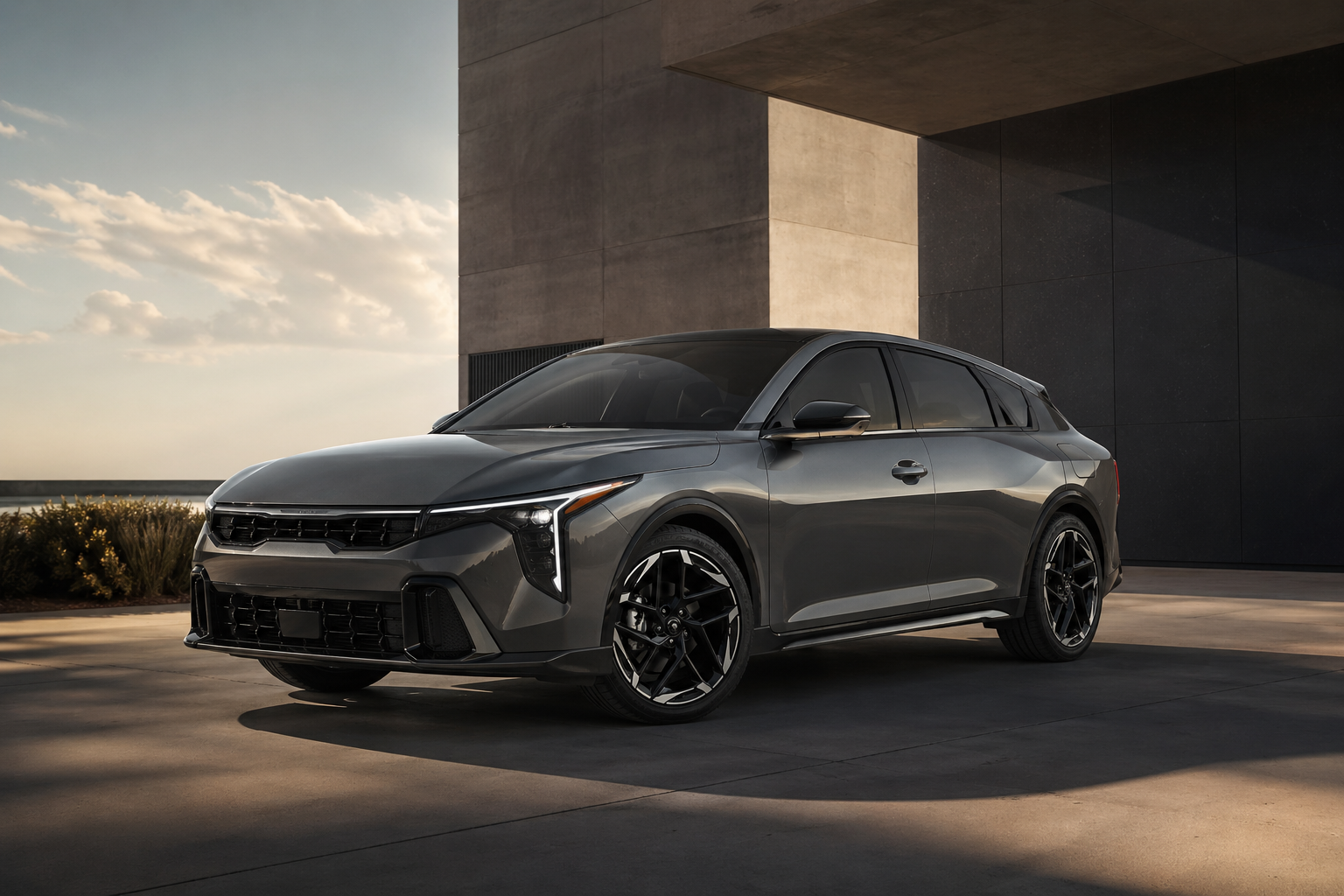

BYD's 2025 story was not only about headline expansion or geopolitical anxiety around Chinese EVs. It was about whether the company could keep building real mass-market demand at a scale that looked durable. The Song family was central to that answer.
This matters because real volume is what separates an impressive manufacturer from a genuinely dominant one.
Why the Song family hit the market's nerve
The Song lineup sits exactly where fast-growing EV and plug-in brands need to be: in the thick of the family crossover market. It offers size, visibility, and everyday relevance rather than niche experimentation. That made it a practical ambassador for BYD's broader manufacturing confidence.
In 2025, buyers did not just need another electric talking point. They needed a product that felt like it could replace a familiar household vehicle without forcing a cultural leap.
From battery advantage to showroom traction
BYD's technical and industrial strength matters only if customers can read it in the product. The Song made that easy. It converted the company's battery credibility, aggressive product cadence, and packaging efficiency into a vehicle that looked usable and mainstream rather than experimental.
That is how a brand starts to normalize scale. Not through slogans, but through a model family that becomes easy to picture in ordinary life.
What the Song says about BYD now
The Song's success suggests BYD is strongest when it moves beyond the novelty phase and starts behaving like a volume institution. That is a different level of maturity.
In 2025, the Song family showed that BYD's rise was not only a technology story. It was a mainstream market story, and that is why the company became so hard for the rest of the industry to dismiss.