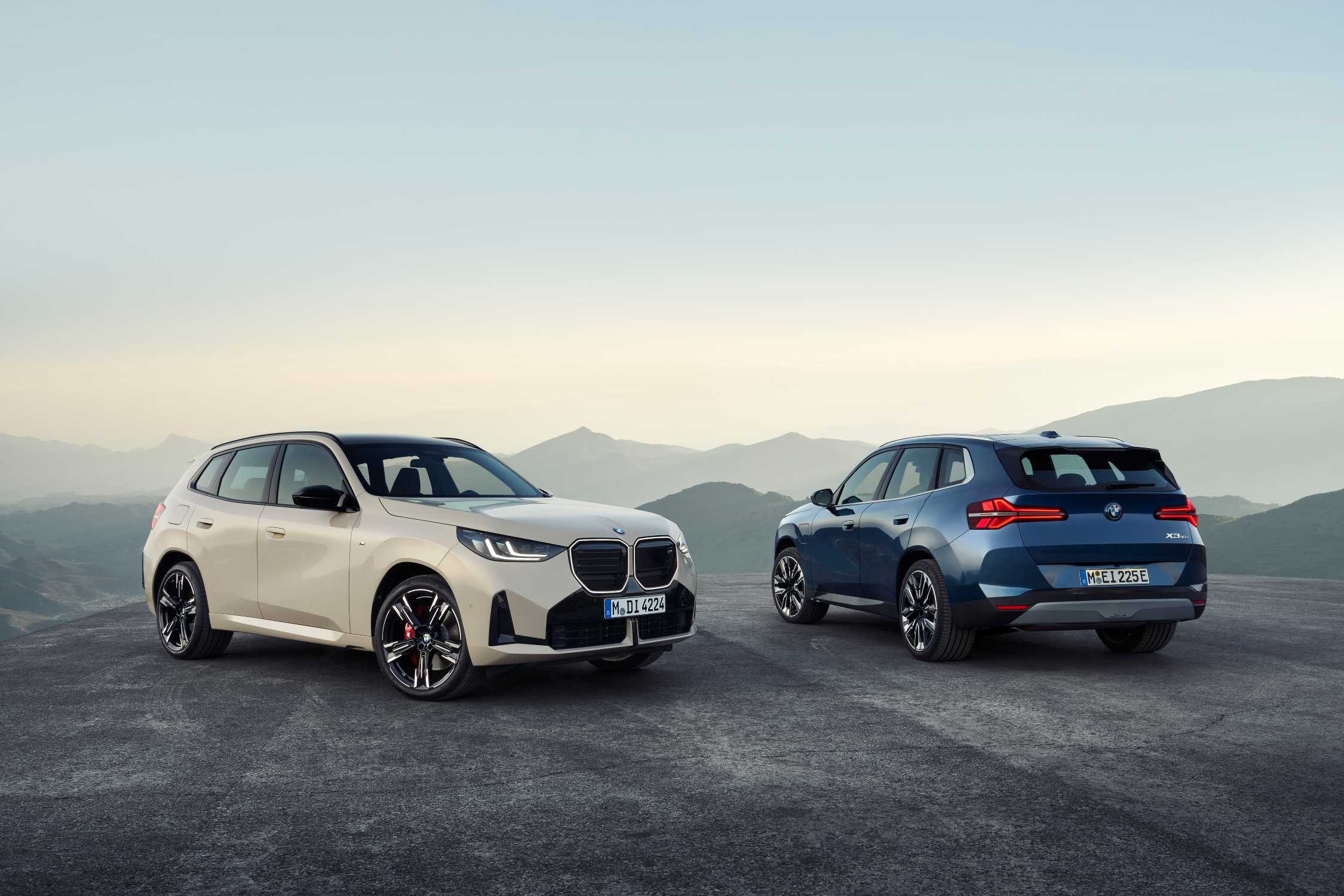
The X3 is one of those launches whose importance is easiest to underestimate precisely because the vehicle looks so familiar. But in premium markets, the center of the lineup often matters more than the edges. BMW needs the X3 to remain convincing because it carries so much of the brand's everyday identity.
What Changed
The new model arrives with refreshed design, Operating System 9, a more modern cabin philosophy, and a product brief that seems more focused on overall polish than on exaggerated claims. That is the right kind of ambition for a vehicle like this. The X3 does not need to become flamboyant. It needs to become better organized.
That matters because this is where a lot of premium buyers decide whether a brand still feels current. If the core SUV looks dated, confused, or overdesigned, the entire lineup begins to lose coherence. BMW appears to understand that the X3 launch is about brand stability as much as product change.
Why It Matters
There is also a strategic signal in the restraint. The X3 is being allowed to remain a premium daily driver first, not a mini-flagship or a crossover caricature. That keeps the product readable in a class where readability is becoming rare.
So the X3 deserves a real place in Future Car Launches because it is one of the products that will quietly determine how strong BMW's mainstream premium identity feels over the next cycle.