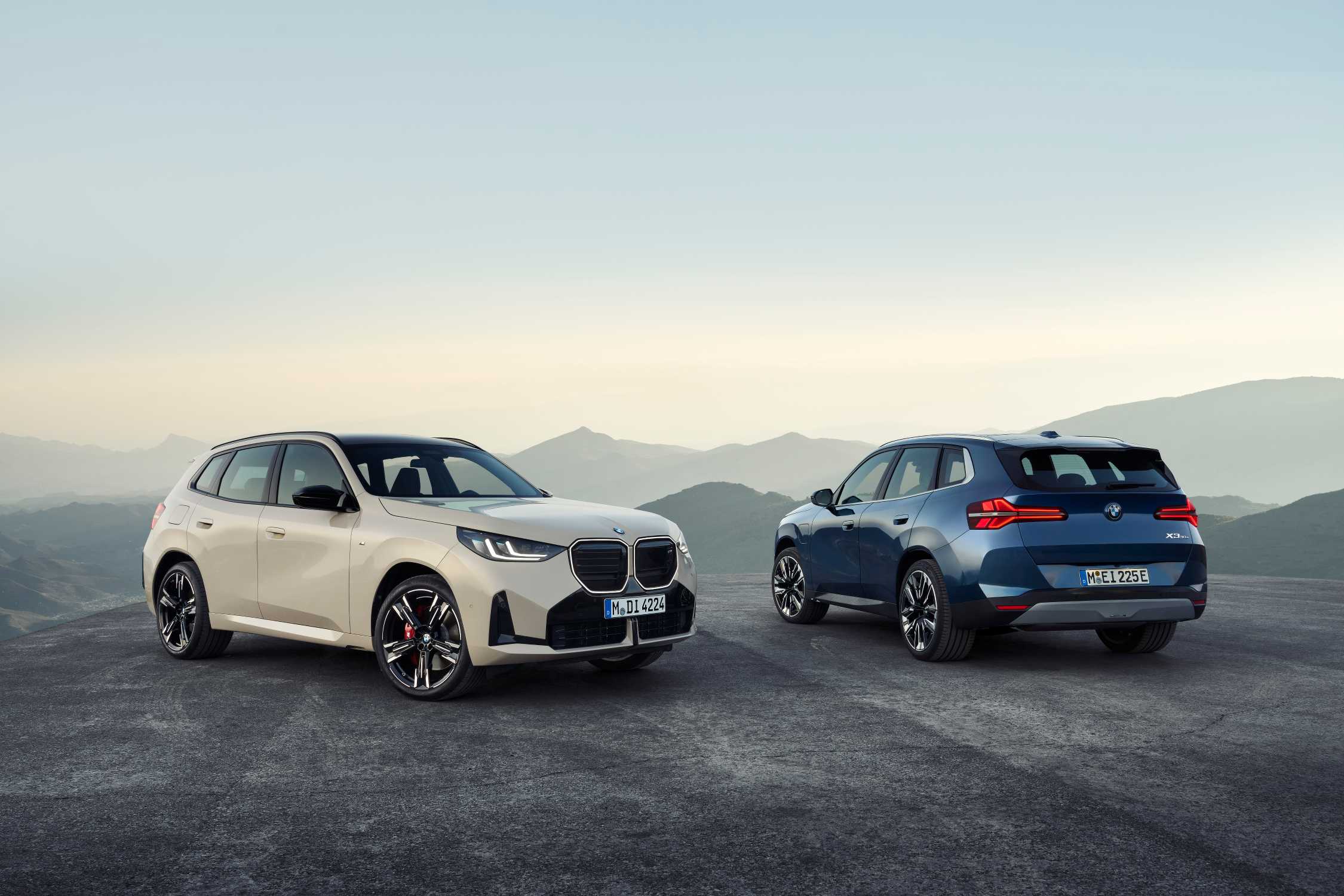
The X3 is the kind of SUV that can disappear into familiarity if you are not careful. That is exactly why a redesign matters here more than in louder parts of the market. BMW needs the X3 to keep the center of its range persuasive, and the 2025 model looks built with that pressure in mind.
What Changed
The official launch stresses a new design language, updated interior with BMW Operating System 9, broader digital functionality, and a stronger link between ride comfort and everyday usability. In other words, BMW is not trying to turn the X3 into a mini-X5 or an exaggerated performance object. It is refining the core identity of the midsize SAV.
That is the right move. Buyers in this class want premium polish, but they also want a vehicle that feels realistic to own and easy to understand. The X3 has long done that well. The new version appears to push the formula forward where it counts, especially in cabin technology and perceived quality.
Why It Matters
There is also bigger brand value here. When BMW gets the X3 right, it stabilizes the entire lineup. The car is one of the clearest expressions of what the brand means to mainstream premium buyers who want something practical but still recognizably driver-focused.
That makes the 2025 X3 less flashy than an M car, but arguably more important. It is the sort of product that determines whether the rest of the brand still feels coherent.