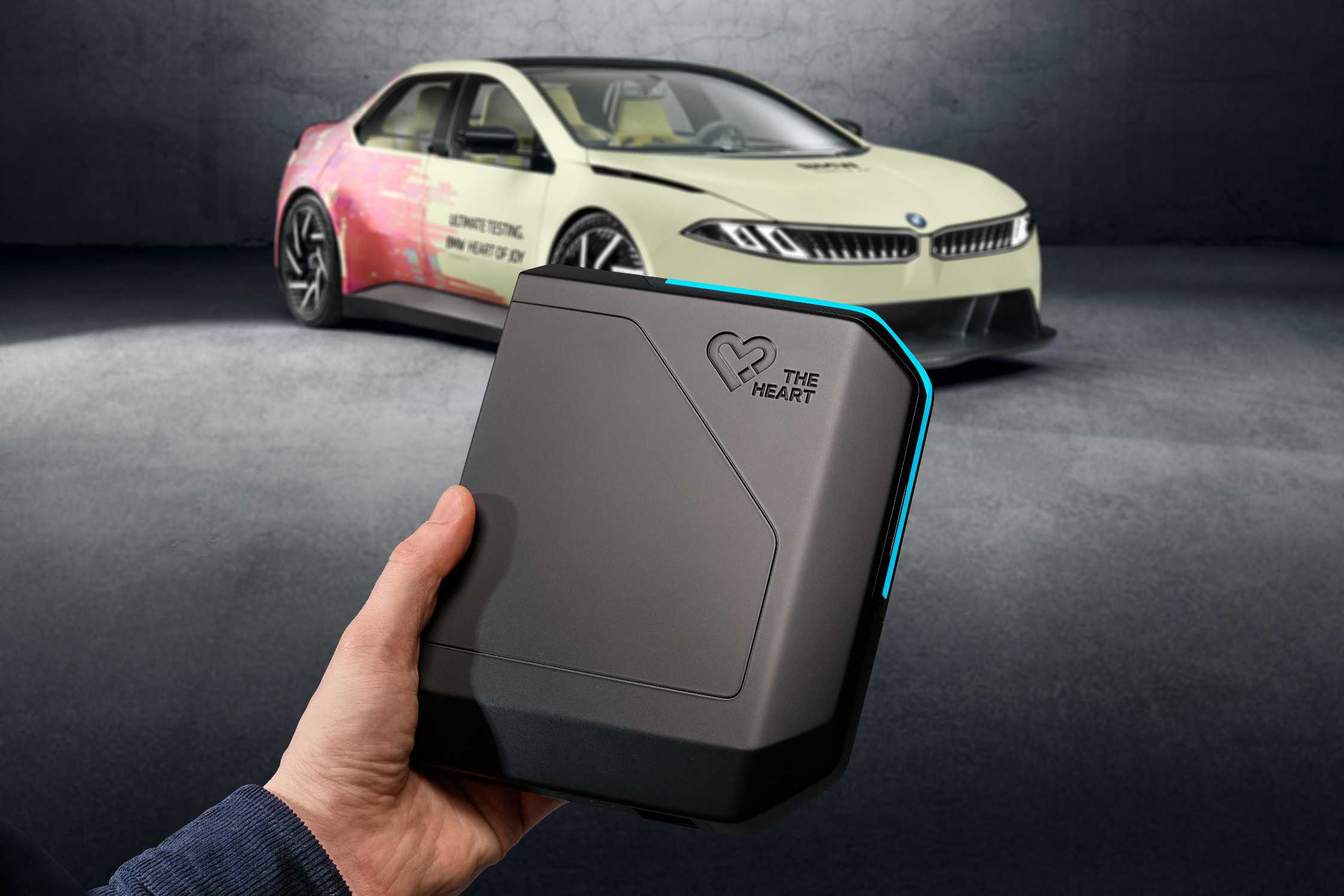
The phrase Heart of Joy could easily have sounded like branding fluff. It becomes more interesting once BMW explains what it actually does. This is a new control computer designed to coordinate the core dynamic functions of future Neue Klasse vehicles, handling propulsion, braking, charging recuperation, and steering-related responses with much higher processing speed.
What Changed
That matters because electric cars still struggle with one recurring criticism: they can be brutally fast yet dynamically abstract. BMW is targeting that problem directly. A faster, more integrated control layer promises to make acceleration, lift-off, brake feel, and corner-exit behavior feel less like separate digital events and more like one coherent motion.
BMW says the system processes information up to ten times faster than previous architecture, which helps smoother recuperation and more precise dynamic control. If that translates cleanly to the road, it could become one of the more meaningful chassis developments in the next generation of premium EVs.
Why It Matters
The larger point is strategic. BMW is not framing its next electric era purely around range and screens. It is trying to preserve the idea that the company still cares how a car feels from the driver's seat. That is essential if the brand wants its electric future to remain recognizably BMW rather than merely premium and battery-powered.
So the Heart of Joy is not really about poetic language. It is about whether software can be used to recover a sense of natural mechanical rhythm in an increasingly digital chassis. That is a challenge worth taking seriously.