Automotive voice control has spent years overpromising and underwhelming. Drivers learned to tolerate it, but rarely to rely on it. BMW's newest Intelligent Personal Assistant expansion, built on Amazon Alexa+ technology, suggests the company believes that phase may finally be changing.
What Changed
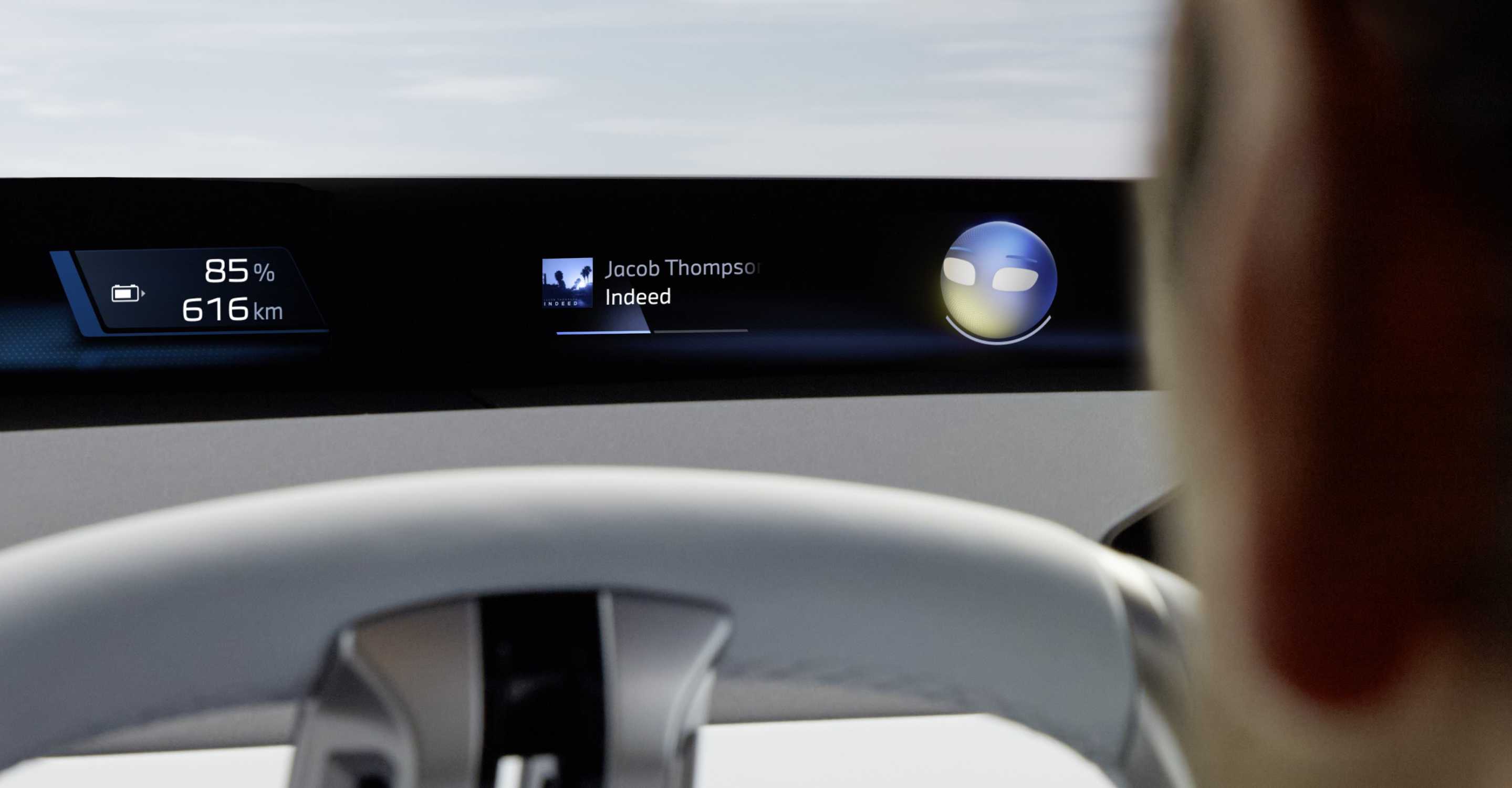
The official claim is not simply better voice recognition. BMW is promising more natural dialogue, better contextual understanding, and a system that can support the wider logic of the coming iX3 and Neue Klasse cockpit. That is significant because modern vehicle interfaces have become too complex for touch alone to remain elegant in every scenario.
If voice is going to matter again, it has to feel like a real layer of interaction rather than a novelty shortcut. That means understanding follow-up questions, maintaining context, and helping the driver complete multi-step tasks without turning the exchange into a robot recital. BMW is clearly aiming at that standard.
Why It Matters
There is also a larger industry implication. As in-car software grows more ambitious, the brand that best integrates conversational assistance could gain a meaningful edge in perceived intelligence, even if the mechanical product itself is broadly competitive.
So this is not just an Alexa story. It is a story about the cockpit becoming more dependent on language as an interface. BMW wants to be early in that transition, and that makes this launch worth watching.