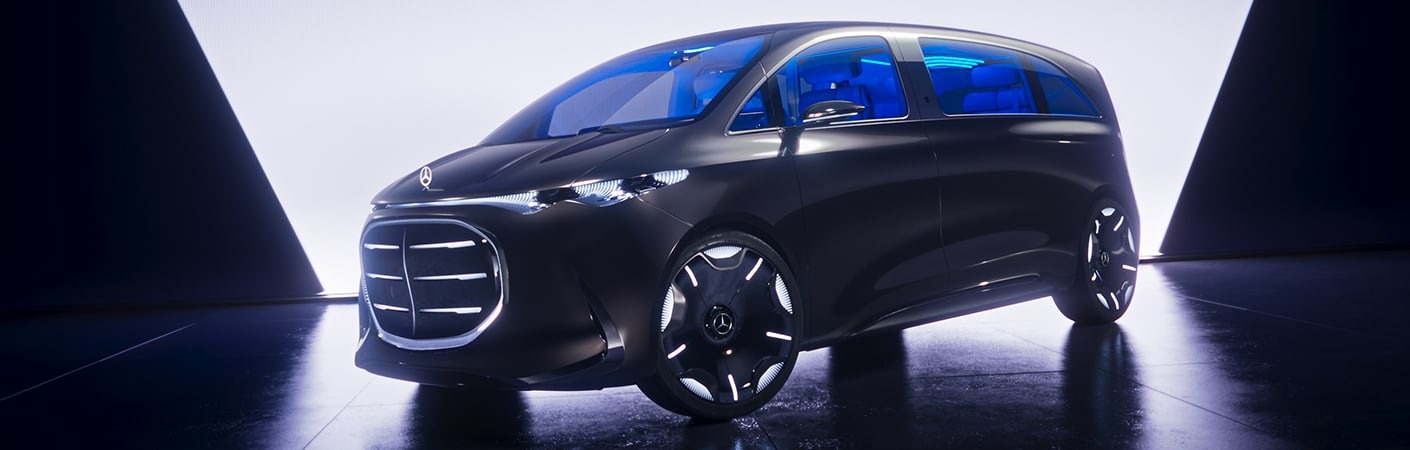
Bernard Arnault built LVMH by understanding a truth the car industry sometimes forgets: luxury is not defined by utility. It is defined by desire, scarcity, symbolism, and the feeling that ownership says something about the person making the purchase. That is why his attention to the ultra-premium EV space matters. It suggests that electric cars, at the very top of the market, are no longer being judged only as machines. They are beginning to be judged as luxury objects.
Discussions between LVMH and Lotus, the British performance brand now owned by Geely, have centred on brand positioning in the electric hypercar space. The Lotus Evija — an all-electric hypercar producing over 2,000 horsepower and priced above 2 million euros — occupies the same emotional territory as a Hermes Birkin or a Patek Philippe perpetual calendar: an object of extreme desire, extreme rarity, and extreme price whose value is determined by aspiration rather than utility. Arnault framework for luxury — build the desirability first, then control the supply — applies directly to the limited-edition EV hypercar market.
The practical form of LVMH automotive involvement remains undefined. Direct investment, brand partnership, or the application of LVMH distribution and retail expertise to an existing automotive brand are all possibilities. What is clear is that Arnault entry into the automotive conversation signals that the ultra-premium EV segment is maturing from a technology demonstration into a genuine luxury goods category — one with the margins, scarcity, and brand mythology that LVMH has built its empire on in other product categories for four decades.