Performance-hybrid launches often struggle with tone. They either overplay the electric side and lose credibility with enthusiasts, or overplay the combustion side and make the hybrid hardware feel like dead weight. The new Audi RS 5 looks like a much smarter balance than that.
What Changed
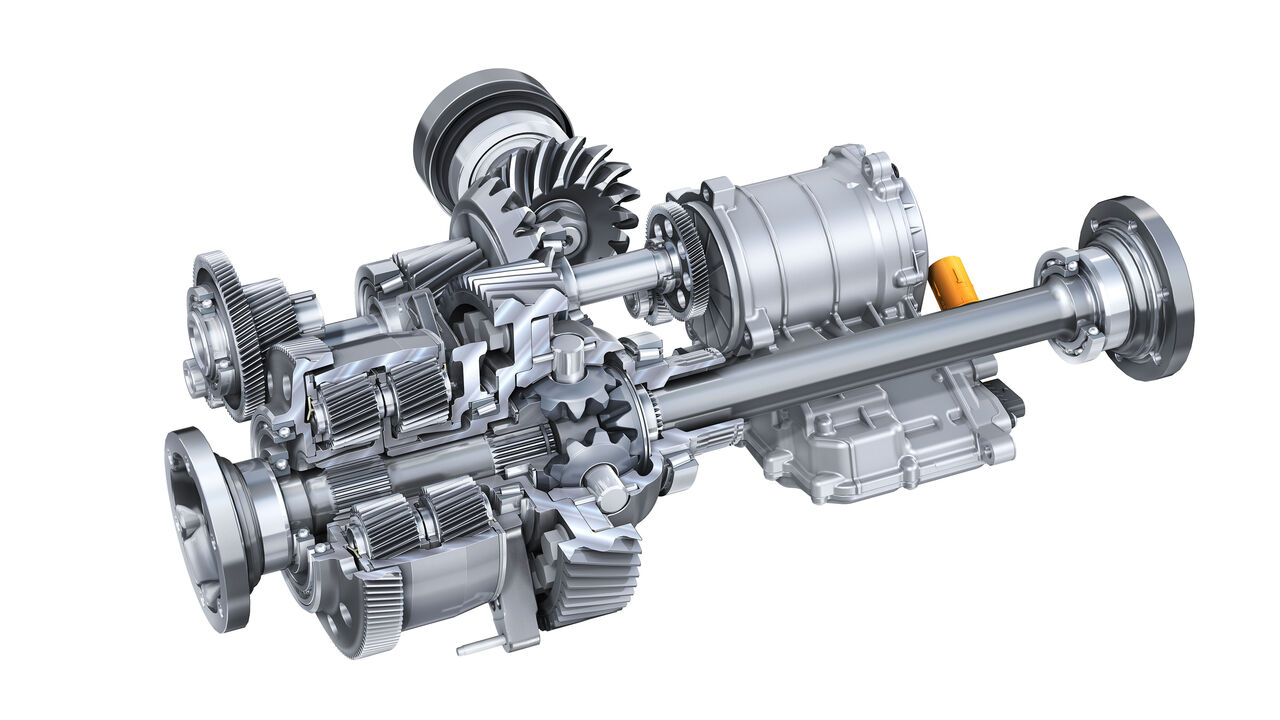
Audi frames the car around a serious dynamic package, a performance-hybrid drivetrain, and a new rear-axle Dynamic Torque Control system that can actively shape the vehicle's behavior. That changes the conversation from simple output figures to the more interesting question of how the power is actually deployed.
That matters because modern performance needs control as much as it needs speed. The best launches in this space are the ones that show hybridization can improve agility, traction management, and corner-exit intelligence rather than merely adding complexity.
Why It Matters
The RS 5 also arrives at the right cultural moment. Enthusiasts are more open to electrified performance than they were a few years ago, but only if the result still feels authored by engineers who care about response and feel. Audi appears to be aiming squarely at that standard.
So this launch is important because it makes a technical claim, not just a marketing one. The RS 5 is being presented as a smarter fast car, not just a newer fast car.