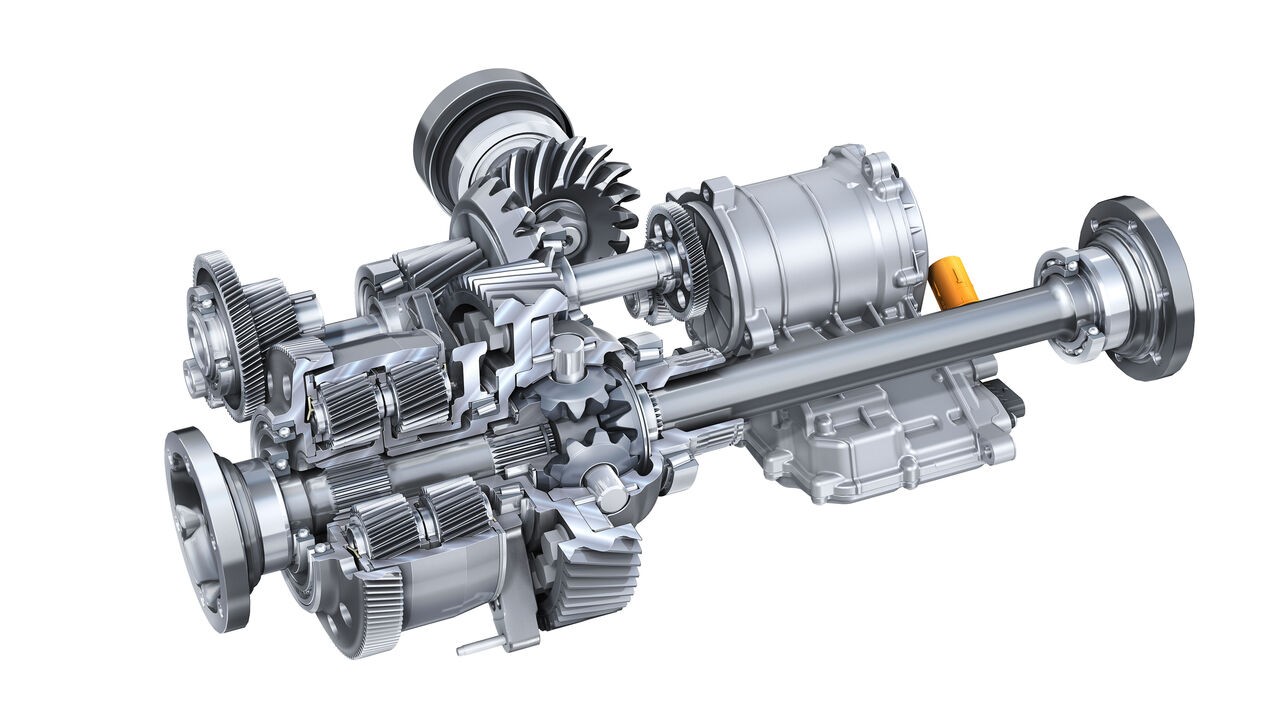
The new RS 5 is interesting as a luxury product because it refuses to frame hybridization as a concession. Audi is using the powertrain and the rear-axle control technology to suggest a more intelligent kind of performance prestige, one that gains sophistication rather than losing its nerve.
What Changed
That is important in a market where high-end performance buyers are often willing to embrace electrification only if it arrives wrapped in stronger control, stronger numbers, and stronger everyday credibility. The RS 5 seems engineered to do exactly that.
There is also a body-style argument here. Performance sedans and Avants still carry a certain executive elegance that SUVs cannot fully replicate. The RS 5 uses that cultural position well, because the hybrid story becomes part of a polished high-performance persona rather than a heavy-handed moral one.
Why It Matters
From a brand perspective, this matters because premium sport products help define whether electrification can look aspirational rather than simply inevitable. Audi needs cars like the RS 5 to make that argument convincingly.
So the new RS 5 deserves attention because it suggests that hybrid prestige works best when it is delivered through intelligence, composure, and the confidence to stop apologizing for complexity.