The most significant part of Audi's new RS 5 may not be that it is a performance hybrid. It may be the way Audi has engineered the rear axle to make that hybrid performance feel more intelligent. Dynamic Torque Control is the kind of hardware-and-software integration story that matters far more on the road than a headline horsepower figure alone.
What Changed
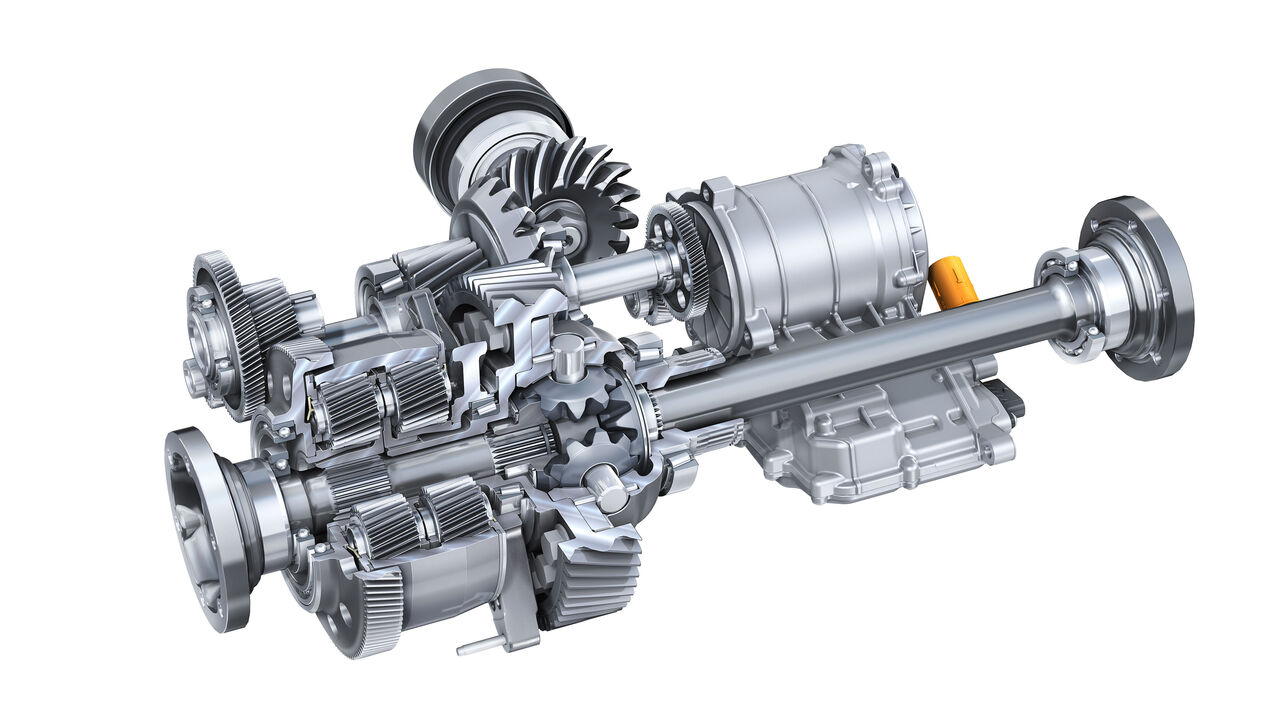
Audi describes the system as electromechanical torque vectoring in the rear transaxle, capable of redistributing torque between the rear wheels in milliseconds and doing so even off throttle or under braking. That last part matters because it separates the setup from simpler, more limited interpretations of torque-splitting technology.
The technical logic is compelling. A high-voltage actuator, overdrive gears, and the wider control architecture around the axle allow the RS 5 to manipulate yaw and traction with much more precision. That means agility is no longer just a matter of suspension tuning or brake intervention. It becomes part of the drivetrain's active intelligence.
Why It Matters
Audi is also smart to position the system as something the driver feels rather than something the brochure merely explains. Predictability, controllability, and confidence at the limit are more useful measures of modern performance than raw violence, especially in a car balancing hybrid mass with sports-sedan expectations.
That is why the new RS 5 is technically interesting. It shows performance engineering moving further into a control-systems era, where the best cars are not simply the most powerful but the ones that can shape power most elegantly.