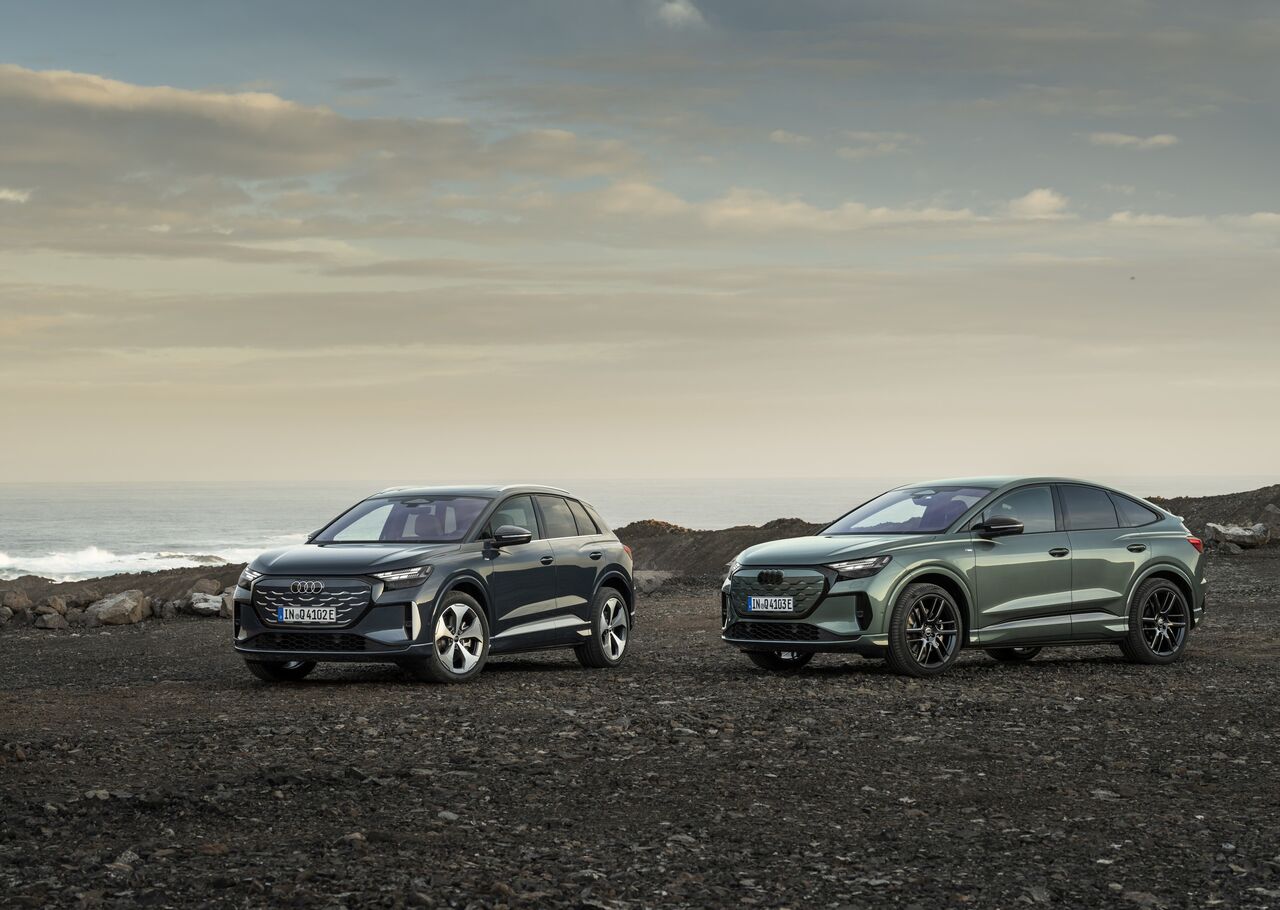
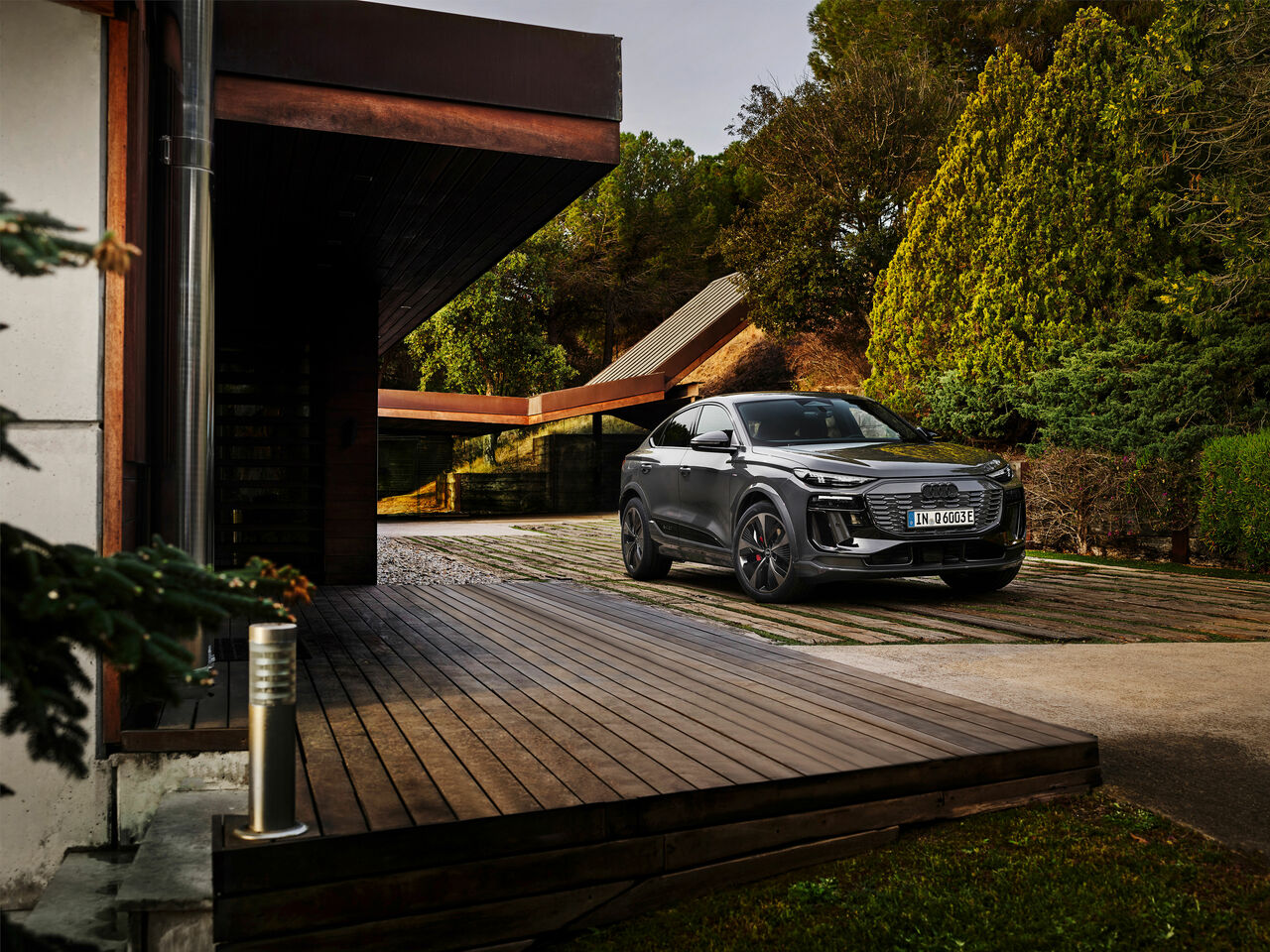
The Q6 Sportback e-tron is a useful future-facing car because it undermines an old assumption about electric efficiency. It suggests that a more dramatic silhouette no longer has to be the enemy of the engineering brief. In fact, the shape can become part of the efficiency argument.
What Changed
Audi makes that case explicitly. The Sportback body is presented not only as the more design-conscious interpretation of the Q6 family, but also as the one capable of stronger aero benefits and therefore stronger range figures. That alignment between style and engineering is important.
It matters because the EV market is entering a stage where products have to do more than justify the battery. They have to justify their identity. Cars like the Q6 Sportback e-tron help show that electric design can still carry elegance and tension without becoming irrational.
Why It Matters
The model also demonstrates how flexible new EV platforms can be. Audi can now build multiple emotional readings of the same technical package, which is a sign of maturing architecture rather than one-off experimentation.
So the Sportback deserves attention because it hints at a better future for EV design: one where efficiency does not flatten character, but begins to shape it in smarter ways.